| Lt. John Euler |

L to R: G. Boteler, H. Askelson, two unknown, D. Wilkes, R. Knapp, M. Putnam, C. Peal
| Capt. Robert Green |


Original text reads: Captain Robert I Green of Long Beach, Calif., desperately hangs onto
his "Good Luck" Scarf while Capt. Kent H. Hunt (center) a Flight Surgeon from San
Antonio, Texas tries to remove the neckpiece and Capt. Edwin H. Miller of Carson City,
Nev., even offers his own as a replacement. Capt. Green Admits he hasn't washed the
scarf for "a couple of years" but he wouldn't fly a mission without it. England
his "Good Luck" Scarf while Capt. Kent H. Hunt (center) a Flight Surgeon from San
Antonio, Texas tries to remove the neckpiece and Capt. Edwin H. Miller of Carson City,
Nev., even offers his own as a replacement. Capt. Green Admits he hasn't washed the
scarf for "a couple of years" but he wouldn't fly a mission without it. England


| Capt. Robert E. Wise |
| Pilots of the 83rd Fighter Squadron |


 |
 |
 |
 |
| Lt. John Kirk |


| Capt. Harold T Barnaby |
Lt. Martin G O'Connell Jr.

| F/O Joseph Bzdelik |
Lt. Elmer Nieland





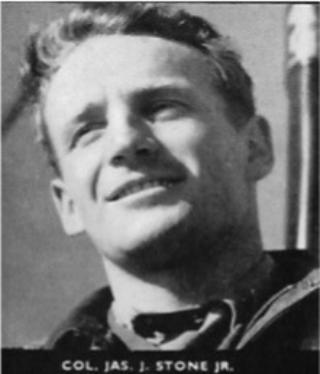
| Colonel James J. Stone |
Activated in February 1942 at Mitchell Field, New York as 83rd
Pursuit Squadron. Stationed at Baer Field, Indiana, Muroc Dry
Lake, California and Oakland Municipal Airport in Oakland
California.
Pursuit Squadron. Stationed at Baer Field, Indiana, Muroc Dry
Lake, California and Oakland Municipal Airport in Oakland
California.

Lt. Russell L. Burger S/Sgt Crew Chief Roderick H. Wallace

As described in the Duxford Diary

| April 1943 |
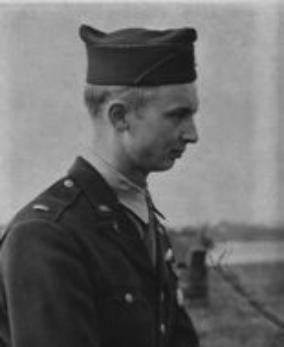
| Lt. Kenneth Chetwood |
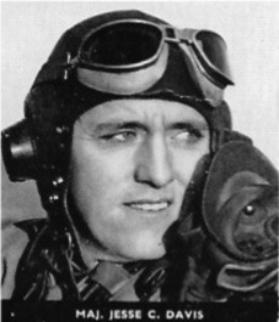
| Major Jesse C. Davis |

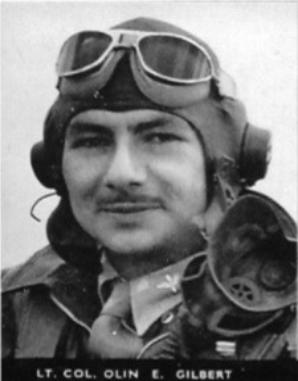
| Lt. Col. Olin E. Gilbert |
| Lt. John H. Johnson |
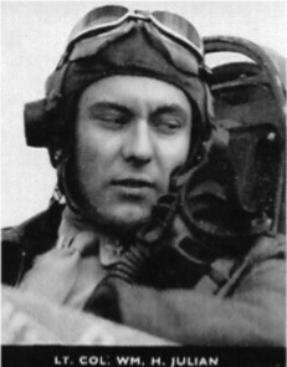
| Lt. Col. William H. Julian |


Lt. Hugh O. Foster


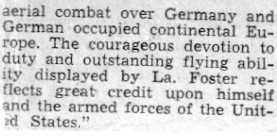


Lt. Donald S. Beals. Went MIA
on a P-38 shuttle flight to Tunisa
from Goxhill
on a P-38 shuttle flight to Tunisa
from Goxhill

| Lt. Marvin C. Bigelow |


Captain Robert R.Bonebrake
Unearthing history
Former POW's plane discovered on farm
By Ben Leubsdorf / Monitor staff
October 17, 2010
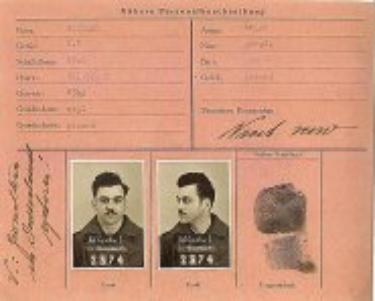
Kenneth Hindersinn's German POW identification card. Hindersinn, who lived in Meredith
later in life, was shot down over France in January 1944. A French farmer recently
unearthed the remains of the P-47 airplane he was piloting. Kenneth Hindersinn bailed out
of his burning P-47 Thunderbolt over Normandy on a winter day in 1944.
The 23-year-old American fighter pilot was escorting Allied bombers into the skies of
occupied Europe when his flight was attacked by German Focke-Wulf Fw 190 fighters. His
radio disabled and smoke in the cockpit, he knew he wouldn't make it back to England. He
punched out and took his chances.
Now, nearly 67 years later, his plane has turned up. The wreckage of 2nd Lt. Kenneth
Hindersinn's P-47 - shot down on Jan. 5, 1944 - was apparently unearthed last month on a
farm in Gourbesville, near Cherbourg in northwestern France.
For his part, Hindersinn landed on the roof of a farmhouse, was taken prisoner and survived
nearly a year-and-a-half in a German prisoner of war camp. After the war, the Rhode Island
native went to Brown University on the G.I. Bill, became an engineer and raised four
children before retiring to the Lakes Region in 1982. He died in 2003 at the age of 82.
But for Sally Porter, the astonishing part of the story isn't the discovery of her father's plane.
It's the excitement of the French citizens who found it and want to honor Hindersinn's
service to his country, and theirs.
"It makes me tingle just thinking of it. It's just amazing to me," said Porter, who lives in
Meredith and has been in touch with the French enthusiasts by e-mail. Her father, she said,
"would be as shocked as I was. And humbled."
Pilot to POW
Hindersinn, who would spend the last quarter of his life in New Hampshire, was born June
11, 1920, in Central Falls, R.I., and grew up just across the border in Seekonk, Mass.
A picture of Hindersinn's life and wartime service was drawn from a number of sources,
including his daughter's recollections, World War II-era documents provided by her or
posted online, military databases at the National Archives and Records Administration, files
in the Brown University Archives, an interview he gave late in life, and obituaries.
Hindersinn graduated from Hope High School in Providence, R.I., and studied at the Rhode
Island School of Design before joining the Army on St. Patrick's Day 1942 in Boston.
He became a fighter pilot and a second lieutenant in the U.S. Army Air Corps, the
forerunner to the modern Air Force. By 1943, Hindersinn was assigned to the 78th Fighter
Group, flying P-47 Thunderbolts out of Duxford, England, to escort bombers as they raided
German targets.
He wasn't the only aviator in the family. Raymond Hindersinn had enlisted a year earlier
than his younger brother and piloted a B-24 Liberator bomber in the Pacific theater.
On Jan. 5, 1944, six months before Allied forces invaded Normandy during Operation
Overlord, Kenneth Hindersinn and several flights of P-47s were escorting B-17 Flying
Fortresses toward Bordeaux on a bombing raid.
As he later told Porter, and she recalled in an interview Wednesday, they came under
attack from German fighter planes flying from the direction of the sun, so the Americans
couldn't see them coming. "Dad was at the end of the pack, and he knew they were there,
because the tracers flew by his canopy," Porter said. "And they hit the plane somewhere.
He tried to get the German off his tail, but the plane was damaged. Smoke was in the
cockpit, and he felt he had to get out."
Hindersinn's section leader, 1st Lt. James Stokes, wrote in a Missing Air Crew Report a few
days later that the planes "were bounced by at least four FW 190's (there were many more
in the sun) from dead astern. They were firing when we broke and I didn't see what
happened to the other three in my flight." Hindersinn later told the Meredith News that he
shook the enemy plane and leveled off, but then couldn't tell if nearby planes were friendly
or German.
"I got on the radio and felt like saying, 'Geez, guys, don't leave me,' " he told the newspaper
for an article published in 1995. "I knew the radio was gone and never felt so damn alone."
Hindersinn made it to the English Channel, but he was losing altitude and didn't want to
ditch in the icy sea. Turning back over Normandy, his engine ignited. Unable to open the
canopy, he tried to bail out through the Thunderbolt's escape panel. But he got stuck. His
parachute pack was caught on the plane, and as the fighter began to spin, he blacked out,
his daughter said. He must have been thrown loose, though, because "he woke up falling in
the air, and had sense enough to open his parachute," she said.
Landing on a farmhouse roof, he was quickly greeted by German soldiers, who took him
prisoner. After an escape attempt that ended with the young American caught in barbed
wire on a hedgerow, "they weren't so nice to him," his daughter said, and "he didn't try to
escape again." He ended up in Stalag Luft 1, a POW camp in Barth, on the Baltic Sea in
northern Germany. He spent the rest of the war there, until the camp was liberated by the
Red Army in May 1945.
Plane found
But the story doesn't end there.
Last month, Porter's cousin, who shares his name with Kenneth Hindersinn, got a Facebook
message from an American who was in contact with a group of French aviation researchers,
who try to honor Allied air crews from World War II. He passed the message on to Porter,
who has since been in touch with several of the French researchers via e-mail.
Apparently, they had found her father's plane.
Drainage work on a farm in Gourbesville, near Cherbourg in the Manche department had
uncovered metal parts. The decision was made to excavate whatever was there, Porter
said, because in the past airplanes containing human remains or spilled fuel had been
found. And there were local stories and research to support the notion that a P-47 had gone
down nearby during the war, she said.
In mid-September, the mangled remains of a P-47 were lifted from the ground. The serial
numbers on parts like the engine and propeller, Porter said, were compared with numbers
on a Missing Air Crew Report for Hindersinn that had been posted online on a website that
collects such reports from his unit. The numbers matched.
"Le pilote americain du P47 identifie," declared a headline in La Presse de La Manche, a
Cherbourg newspaper, on one of several articles about the find sent to Porter by her
French friends.
Photos published in the newspaper show the excavation work under way, the mangled
remains of the fighter uncovered and several people standing with its twisted propeller and
a U.S. flag. An old photo, reprinted in the French newspaper, shows Hindersinn in the
cockpit of his plane earlier in the war.
There are now plans to erect a memorial to Hindersinn in the town, Porter said, that could
include displaying part of the plane. The memorial could be unveiled at next year's
anniversary of D-Day, June 6.
If that happens, Porter said, she and her family will cross the Atlantic to visit.
"These people over in France, it's simply amazing. . . . The network of people and what they
go about to do to honor our fallen and not-fallen soldiers," she said.
"They still want to honor that man who crashed a plane into their country, to save that part
of the world," she added.
(Ben Leubsdorf can be reached at 369-3307 or bleubsdorf@cmonitor.com.)
Former POW's plane discovered on farm
By Ben Leubsdorf / Monitor staff
October 17, 2010
Kenneth Hindersinn's German POW identification card. Hindersinn, who lived in Meredith
later in life, was shot down over France in January 1944. A French farmer recently
unearthed the remains of the P-47 airplane he was piloting. Kenneth Hindersinn bailed out
of his burning P-47 Thunderbolt over Normandy on a winter day in 1944.
The 23-year-old American fighter pilot was escorting Allied bombers into the skies of
occupied Europe when his flight was attacked by German Focke-Wulf Fw 190 fighters. His
radio disabled and smoke in the cockpit, he knew he wouldn't make it back to England. He
punched out and took his chances.
Now, nearly 67 years later, his plane has turned up. The wreckage of 2nd Lt. Kenneth
Hindersinn's P-47 - shot down on Jan. 5, 1944 - was apparently unearthed last month on a
farm in Gourbesville, near Cherbourg in northwestern France.
For his part, Hindersinn landed on the roof of a farmhouse, was taken prisoner and survived
nearly a year-and-a-half in a German prisoner of war camp. After the war, the Rhode Island
native went to Brown University on the G.I. Bill, became an engineer and raised four
children before retiring to the Lakes Region in 1982. He died in 2003 at the age of 82.
But for Sally Porter, the astonishing part of the story isn't the discovery of her father's plane.
It's the excitement of the French citizens who found it and want to honor Hindersinn's
service to his country, and theirs.
"It makes me tingle just thinking of it. It's just amazing to me," said Porter, who lives in
Meredith and has been in touch with the French enthusiasts by e-mail. Her father, she said,
"would be as shocked as I was. And humbled."
Pilot to POW
Hindersinn, who would spend the last quarter of his life in New Hampshire, was born June
11, 1920, in Central Falls, R.I., and grew up just across the border in Seekonk, Mass.
A picture of Hindersinn's life and wartime service was drawn from a number of sources,
including his daughter's recollections, World War II-era documents provided by her or
posted online, military databases at the National Archives and Records Administration, files
in the Brown University Archives, an interview he gave late in life, and obituaries.
Hindersinn graduated from Hope High School in Providence, R.I., and studied at the Rhode
Island School of Design before joining the Army on St. Patrick's Day 1942 in Boston.
He became a fighter pilot and a second lieutenant in the U.S. Army Air Corps, the
forerunner to the modern Air Force. By 1943, Hindersinn was assigned to the 78th Fighter
Group, flying P-47 Thunderbolts out of Duxford, England, to escort bombers as they raided
German targets.
He wasn't the only aviator in the family. Raymond Hindersinn had enlisted a year earlier
than his younger brother and piloted a B-24 Liberator bomber in the Pacific theater.
On Jan. 5, 1944, six months before Allied forces invaded Normandy during Operation
Overlord, Kenneth Hindersinn and several flights of P-47s were escorting B-17 Flying
Fortresses toward Bordeaux on a bombing raid.
As he later told Porter, and she recalled in an interview Wednesday, they came under
attack from German fighter planes flying from the direction of the sun, so the Americans
couldn't see them coming. "Dad was at the end of the pack, and he knew they were there,
because the tracers flew by his canopy," Porter said. "And they hit the plane somewhere.
He tried to get the German off his tail, but the plane was damaged. Smoke was in the
cockpit, and he felt he had to get out."
Hindersinn's section leader, 1st Lt. James Stokes, wrote in a Missing Air Crew Report a few
days later that the planes "were bounced by at least four FW 190's (there were many more
in the sun) from dead astern. They were firing when we broke and I didn't see what
happened to the other three in my flight." Hindersinn later told the Meredith News that he
shook the enemy plane and leveled off, but then couldn't tell if nearby planes were friendly
or German.
"I got on the radio and felt like saying, 'Geez, guys, don't leave me,' " he told the newspaper
for an article published in 1995. "I knew the radio was gone and never felt so damn alone."
Hindersinn made it to the English Channel, but he was losing altitude and didn't want to
ditch in the icy sea. Turning back over Normandy, his engine ignited. Unable to open the
canopy, he tried to bail out through the Thunderbolt's escape panel. But he got stuck. His
parachute pack was caught on the plane, and as the fighter began to spin, he blacked out,
his daughter said. He must have been thrown loose, though, because "he woke up falling in
the air, and had sense enough to open his parachute," she said.
Landing on a farmhouse roof, he was quickly greeted by German soldiers, who took him
prisoner. After an escape attempt that ended with the young American caught in barbed
wire on a hedgerow, "they weren't so nice to him," his daughter said, and "he didn't try to
escape again." He ended up in Stalag Luft 1, a POW camp in Barth, on the Baltic Sea in
northern Germany. He spent the rest of the war there, until the camp was liberated by the
Red Army in May 1945.
Plane found
But the story doesn't end there.
Last month, Porter's cousin, who shares his name with Kenneth Hindersinn, got a Facebook
message from an American who was in contact with a group of French aviation researchers,
who try to honor Allied air crews from World War II. He passed the message on to Porter,
who has since been in touch with several of the French researchers via e-mail.
Apparently, they had found her father's plane.
Drainage work on a farm in Gourbesville, near Cherbourg in the Manche department had
uncovered metal parts. The decision was made to excavate whatever was there, Porter
said, because in the past airplanes containing human remains or spilled fuel had been
found. And there were local stories and research to support the notion that a P-47 had gone
down nearby during the war, she said.
In mid-September, the mangled remains of a P-47 were lifted from the ground. The serial
numbers on parts like the engine and propeller, Porter said, were compared with numbers
on a Missing Air Crew Report for Hindersinn that had been posted online on a website that
collects such reports from his unit. The numbers matched.
"Le pilote americain du P47 identifie," declared a headline in La Presse de La Manche, a
Cherbourg newspaper, on one of several articles about the find sent to Porter by her
French friends.
Photos published in the newspaper show the excavation work under way, the mangled
remains of the fighter uncovered and several people standing with its twisted propeller and
a U.S. flag. An old photo, reprinted in the French newspaper, shows Hindersinn in the
cockpit of his plane earlier in the war.
There are now plans to erect a memorial to Hindersinn in the town, Porter said, that could
include displaying part of the plane. The memorial could be unveiled at next year's
anniversary of D-Day, June 6.
If that happens, Porter said, she and her family will cross the Atlantic to visit.
"These people over in France, it's simply amazing. . . . The network of people and what they
go about to do to honor our fallen and not-fallen soldiers," she said.
"They still want to honor that man who crashed a plane into their country, to save that part
of the world," she added.
(Ben Leubsdorf can be reached at 369-3307 or bleubsdorf@cmonitor.com.)
| Lt. Kenneth Hindersinn |


| Lt. Peter W.X. Klassen |
| Lt. Edward R. Kulik |


| Lt. Duncan M McDuffie |
| Captain Edwin H. Miller |


| Lt. Howard L Seeley |
| Lt. Warren B. Sommer |
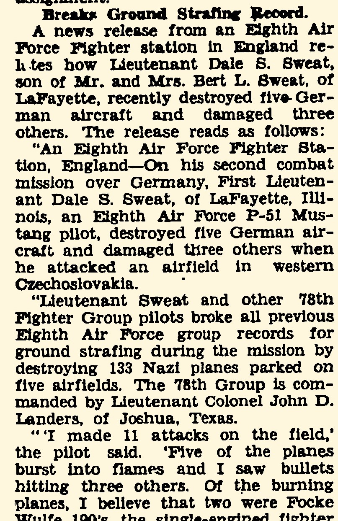
| Lt. Dale S Sweat |