For the Birds

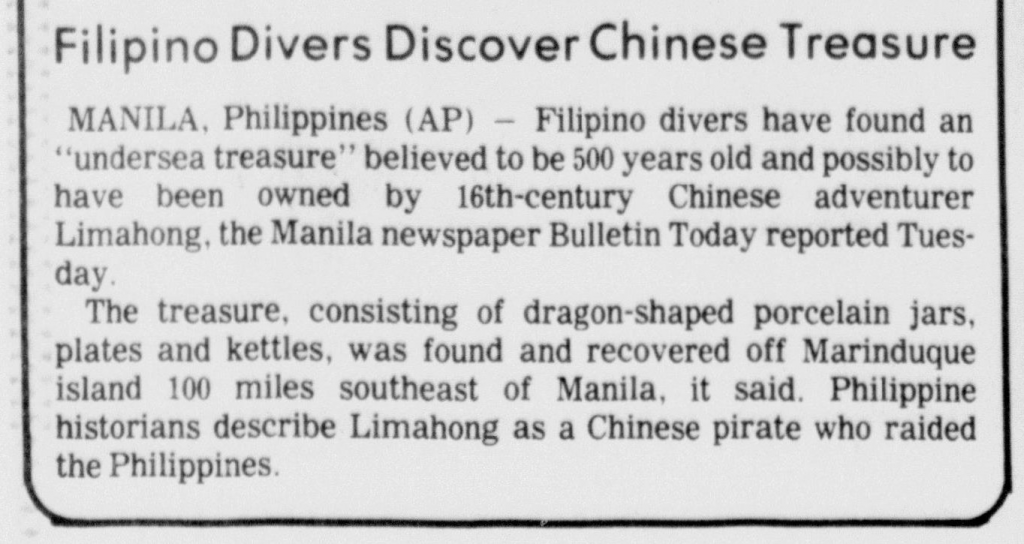
Newspaper article which in part details bird eggs found in Boac in May 1888 and are now part of a Ohio High School display in March of 1929.

The eggs were from the Steere Expedition to the Philippines (1887–1888), led by Dr. Joseph Beal Steere, professor of Zoology at the University of Michigan. He visited Marinduque as part of a comprehensive 11-month survey of Philippine islands. The expedition aimed to study the flora and fauna of the Philippine islands, resulting in the discovery of numerous new species of birds and mammals.

Steere, along with his students, E.L. Moseley, F.S. Bourns, D.C. Worcester and staff, including his Filipino student Mateo Francisco, visited Marinduque during the expedition that took place between September 1887 and late 1888. In Marinduque, Steere collected various specimens, including, as noted in later studies, a collection of pebbles from the coast and various fauna, which were studied for potential new species descriptions. The expedition’s findings were published by Steere in 1891, documenting the birds and mammals collected across various localities, including Marinduque. While the 1887-88 expedition was key for ornithological study, it followed an earlier 1874 trip by Steere and preceded the 1890-1893 Menage Scientific Expedition which further detailed Philippine zoology. The expedition was largely unofficial and often faced suspicion from Spanish authorities.

Jarlet found in Marinduque cave by Alfred Marche 1881

Have you ever seen the jar in the U.S. Smithsonian that was found in Marinduque by Alfred Marche?

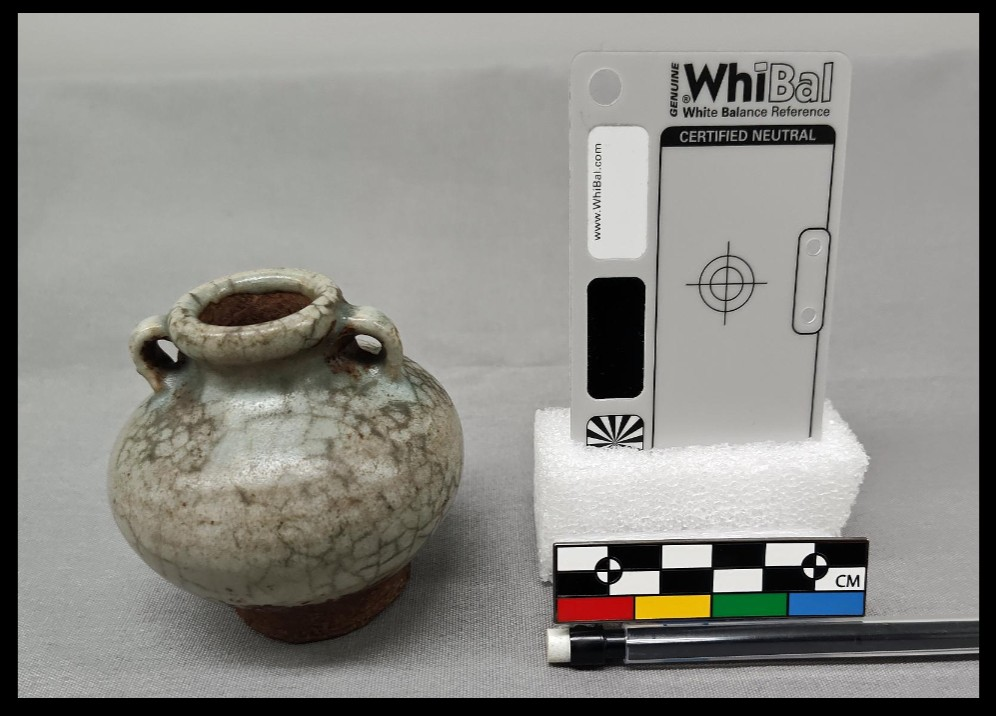
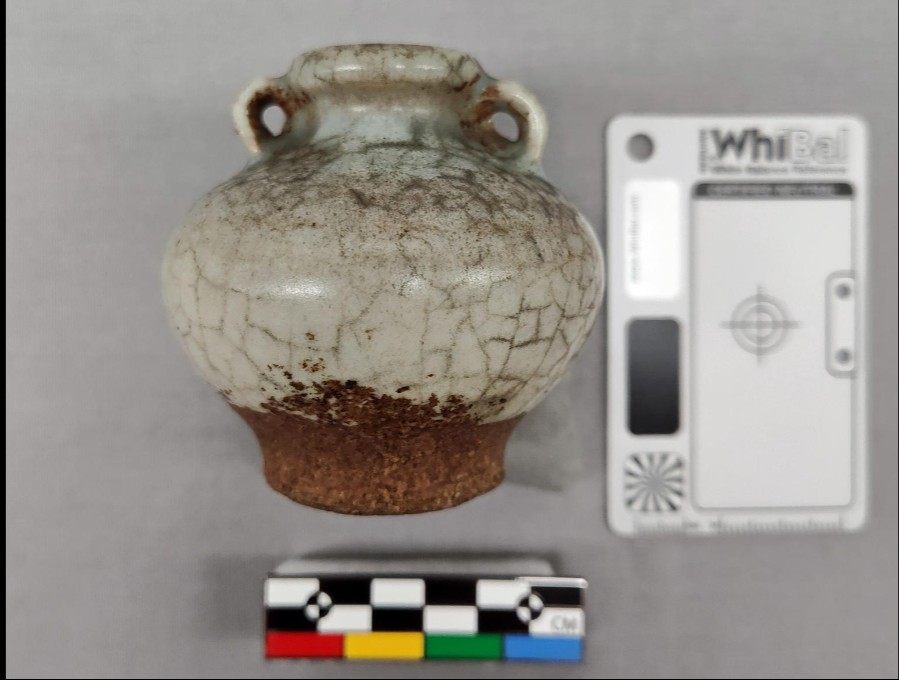
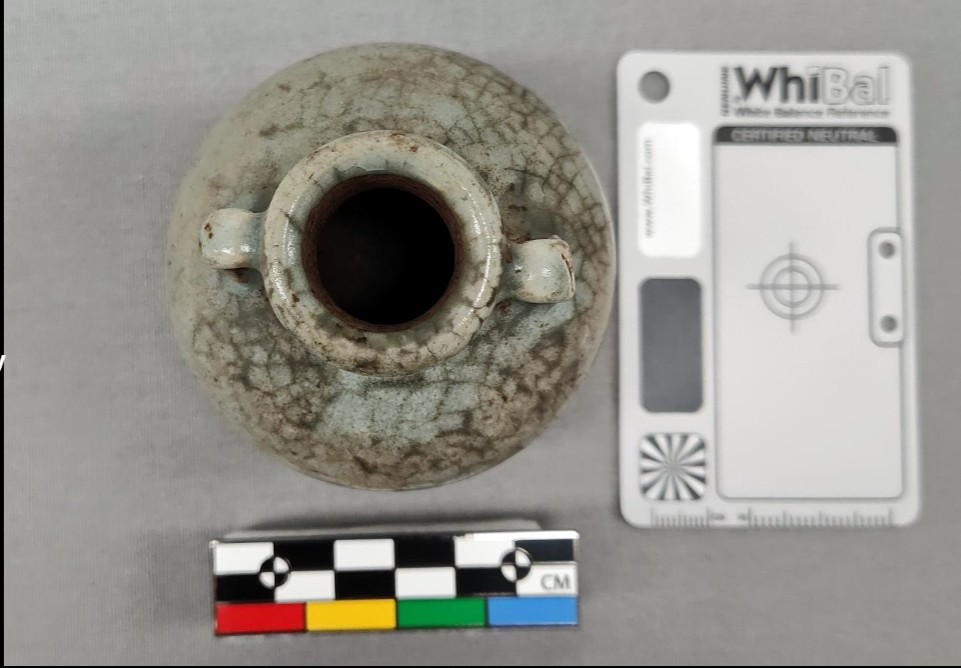
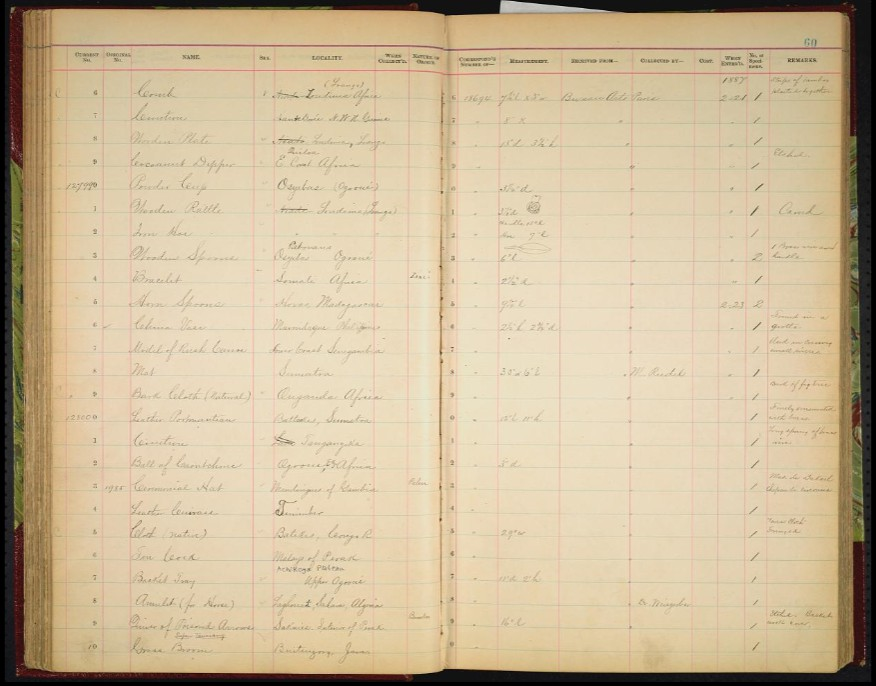
Below are the description and photos of the “jarlet”. Line 6 of the logbook describes the item.

Collector

Antoine-Alfred Marché

Donor Name

Musée d’Ethnographie du Trocadéro, Paris (later the Musée de l’Homme)

Notes

From card: “Glazed Stoneware made of a grey clay colored brown and covered with a bluish grey glaze [celadon?] of Chinese manufacture. Form: The lower part of body has a bell shape with a convex shoulder sloping to the neck which is short and concave and has a thickened rounded rim and two small loop handles. it was found in a grotto on Marinduque Island, Philippine group.”

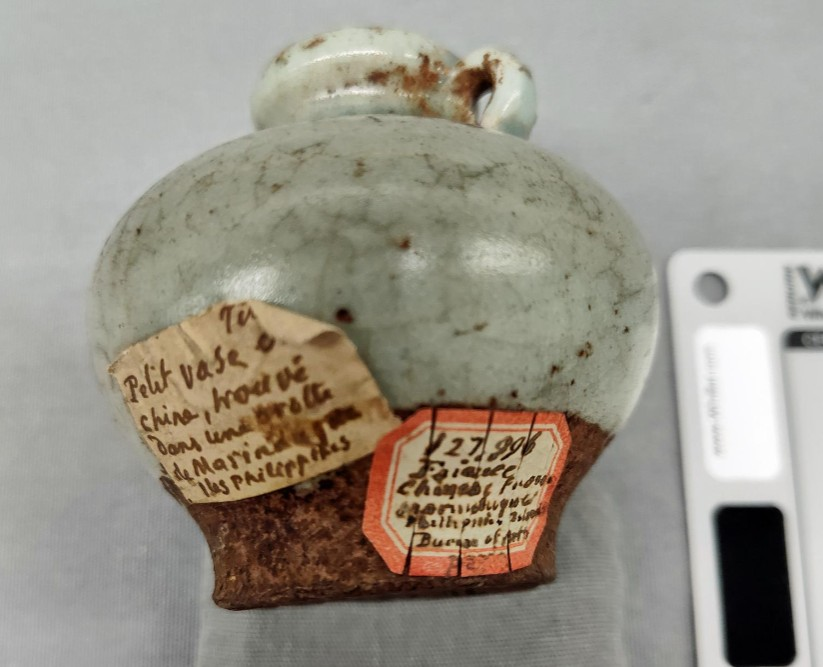
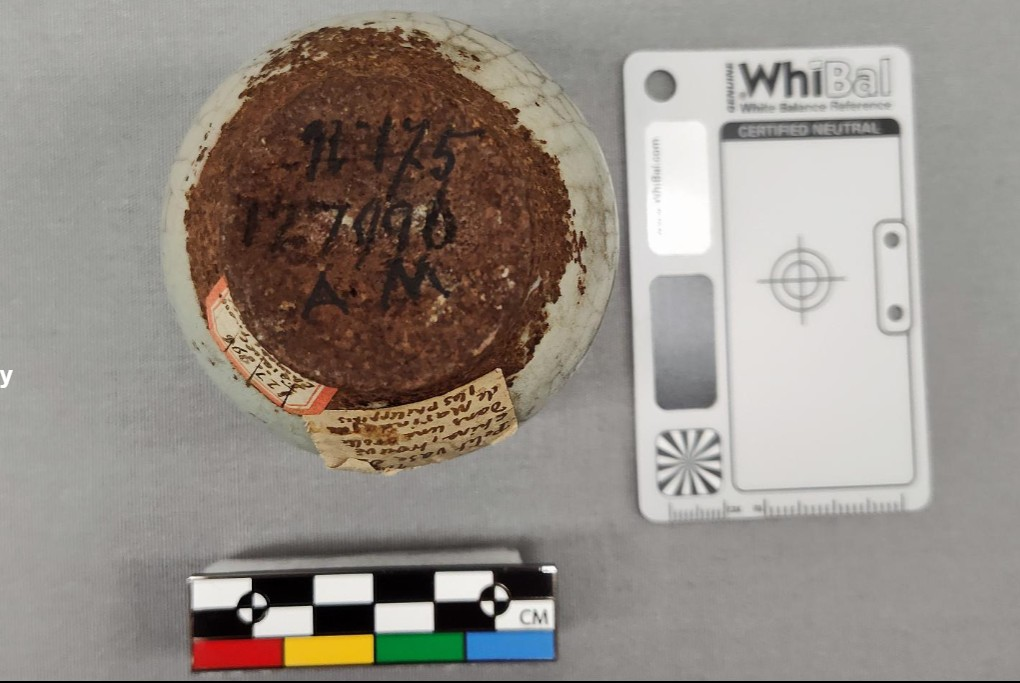
Bottom of this small jar or jarlet is marked: “R-175. A.M.” Jar has two labels glued on the side. First label, in French: “Tibor. Petit vase de Chine, trouvé dans une grotte de Marinduque Iles Philippines.” The second label, in English: “Faience. Chinese. From Marinduque Philippine Islands. Bureau [sic] of Arts, Paris.”

From April – July 1881, Alfred Marché (Antoine-Alfred Marché), a French naturalist and explorer, explored and excavated caves in Marinduque, Philippines, and brought back a collection, some of which was deposited in the Musée d’Ethnographie du Trocadéro, Paris (later the Musée de l’Homme). In 1887, the Smithsonian received a collection from the Musée d’Ethnographie du Trocadéro, including jar # A127996, which was identified as being from a cave in Marinduque.

It therefore may be speculated that the jar # A127996 may be part of the material collected by Alfred Marché. Note also that the jar has the initials “A.M.” marked on its base.