For the Birds

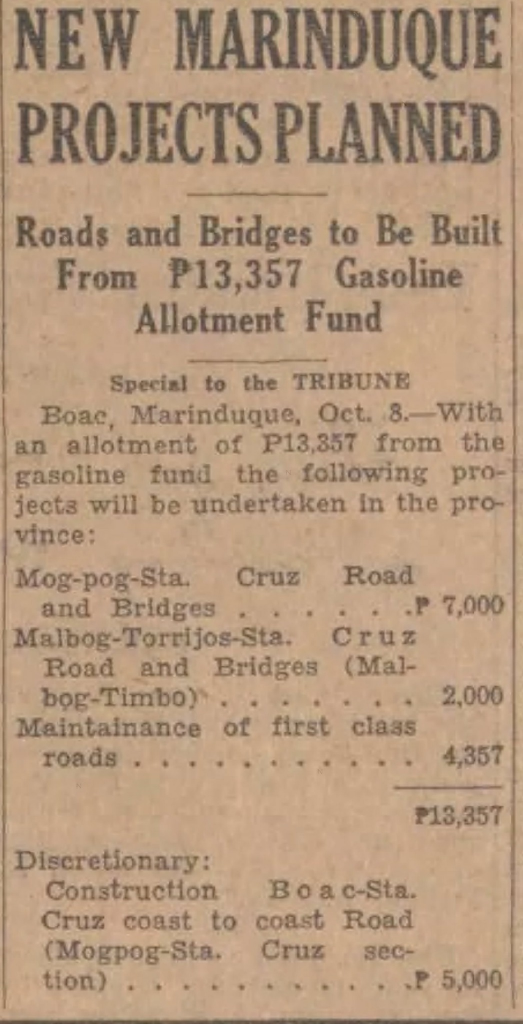
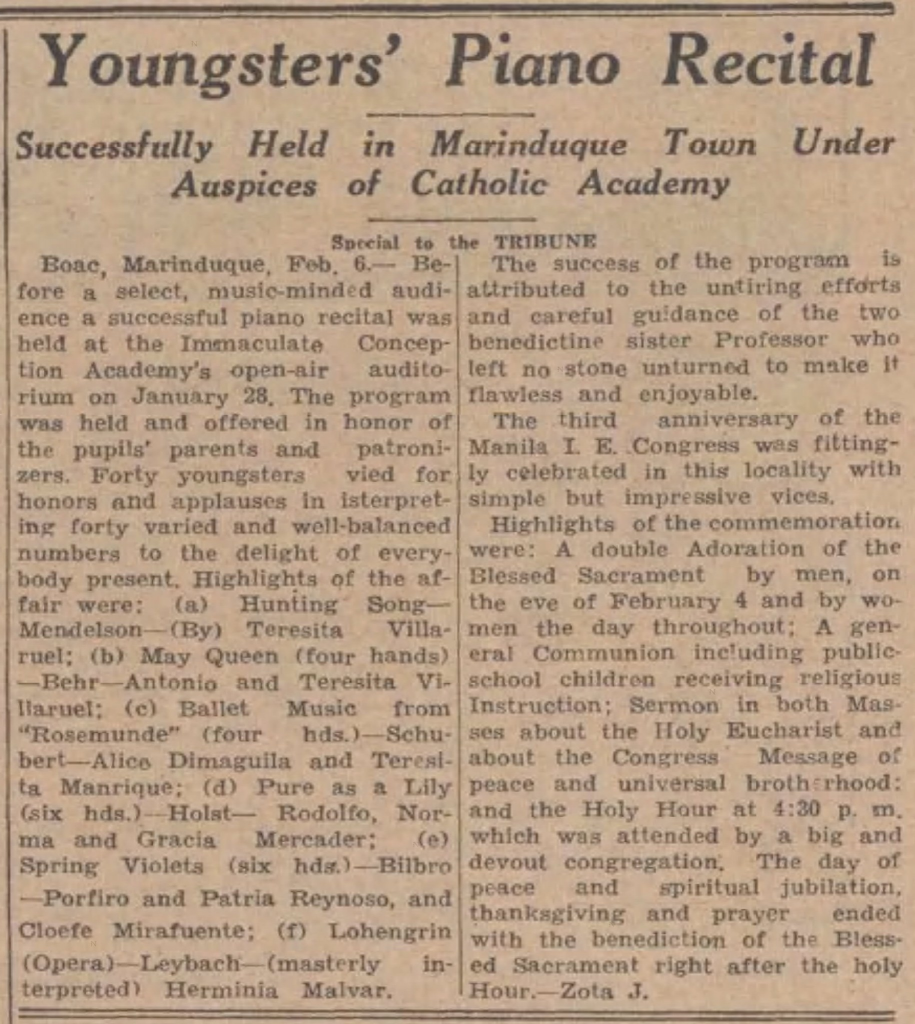
Newspaper article which in part details bird eggs found in Boac in May 1888 and are now part of a Ohio High School display in March of 1929.

The eggs were from the Steere Expedition to the Philippines (1887–1888), led by Dr. Joseph Beal Steere, professor of Zoology at the University of Michigan. He visited Marinduque as part of a comprehensive 11-month survey of Philippine islands. The expedition aimed to study the flora and fauna of the Philippine islands, resulting in the discovery of numerous new species of birds and mammals.

Steere, along with his students, E.L. Moseley, F.S. Bourns, D.C. Worcester and staff, including his Filipino student Mateo Francisco, visited Marinduque during the expedition that took place between September 1887 and late 1888. In Marinduque, Steere collected various specimens, including, as noted in later studies, a collection of pebbles from the coast and various fauna, which were studied for potential new species descriptions. The expedition’s findings were published by Steere in 1891, documenting the birds and mammals collected across various localities, including Marinduque. While the 1887-88 expedition was key for ornithological study, it followed an earlier 1874 trip by Steere and preceded the 1890-1893 Menage Scientific Expedition which further detailed Philippine zoology. The expedition was largely unofficial and often faced suspicion from Spanish authorities.

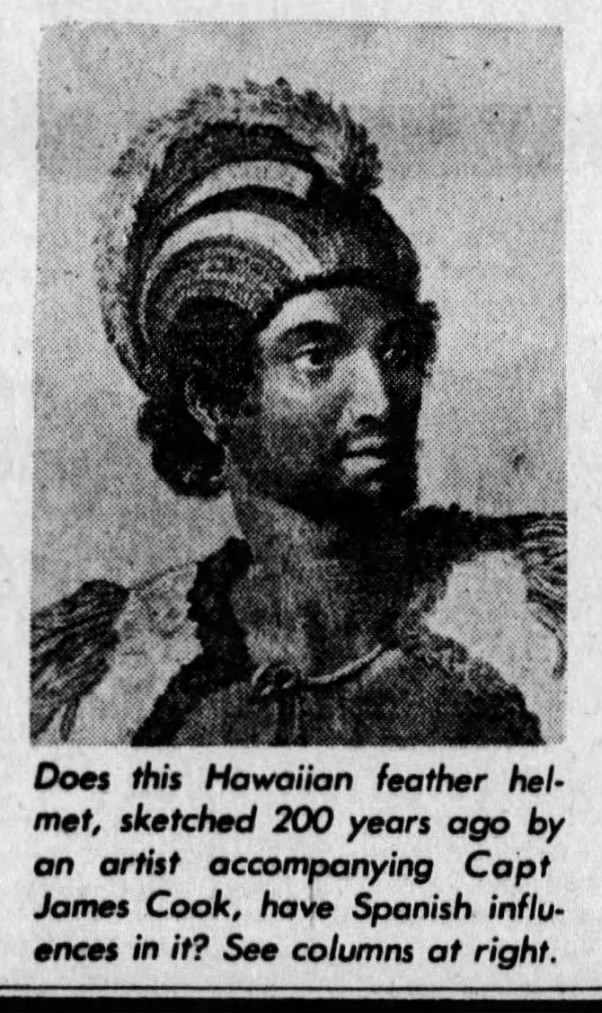
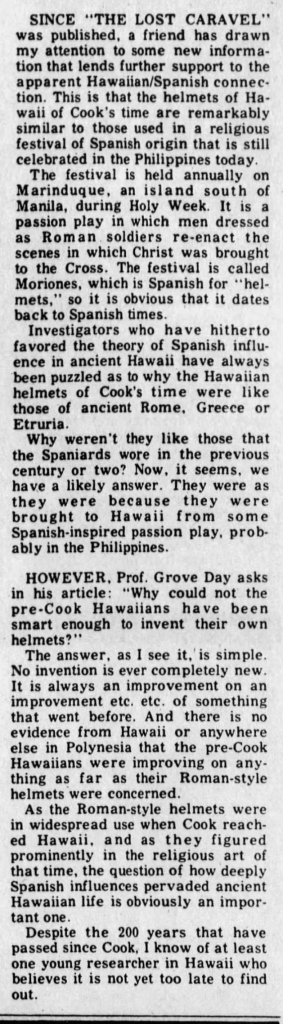
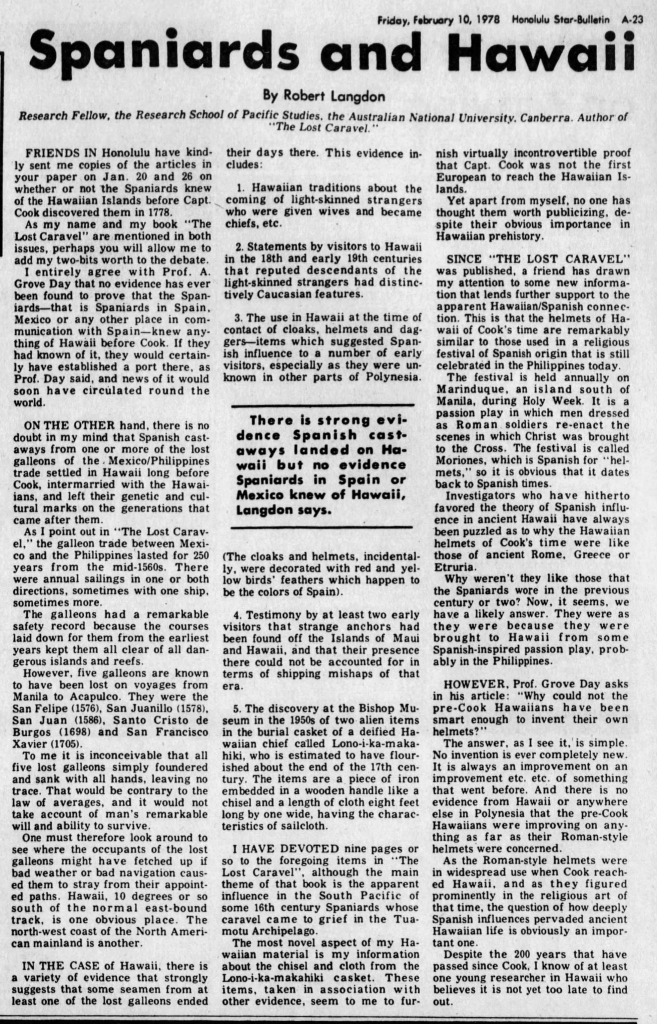
Moriones in Hawaii?

From a article entitled Spaniards and Hawaii by Robert Langdon

Honolulu Star Bulletin February 10, 1978.

In the attached newspaper article Langton puts forth the theory that the Roman helmets of the Moriones in Marinduque resemble helmets found in Hawaii to support his Hawaiian-Spanish Connection belief.

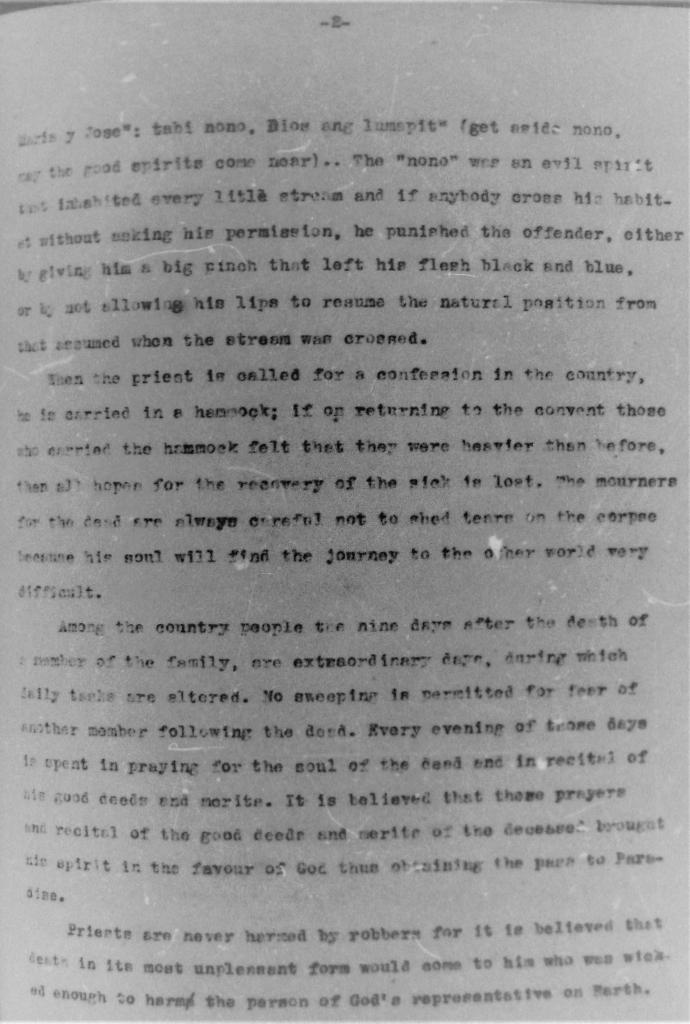
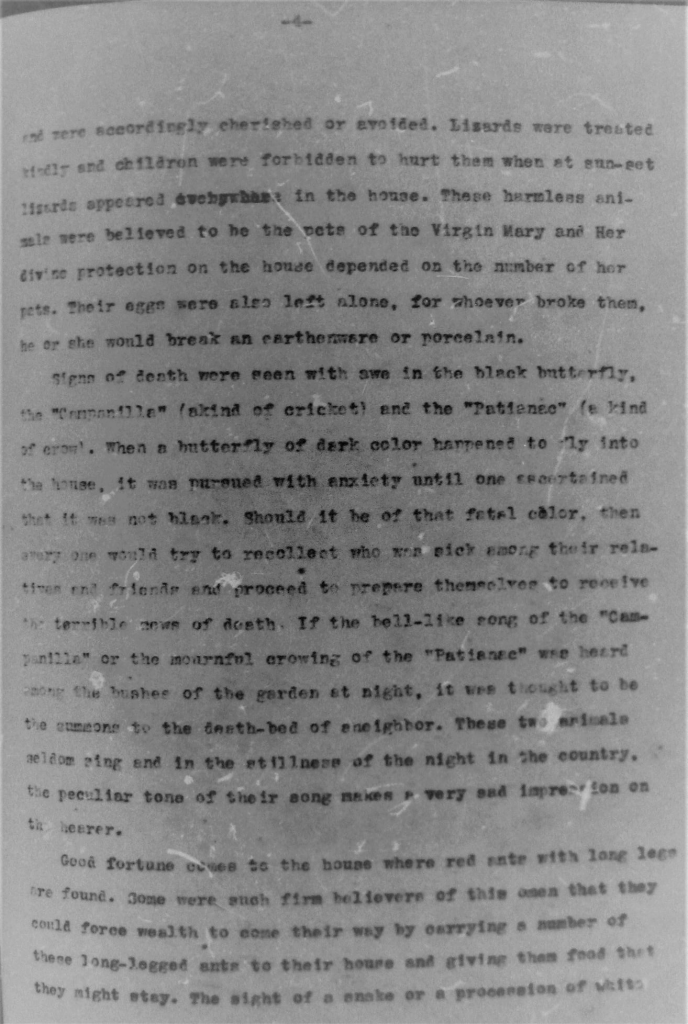
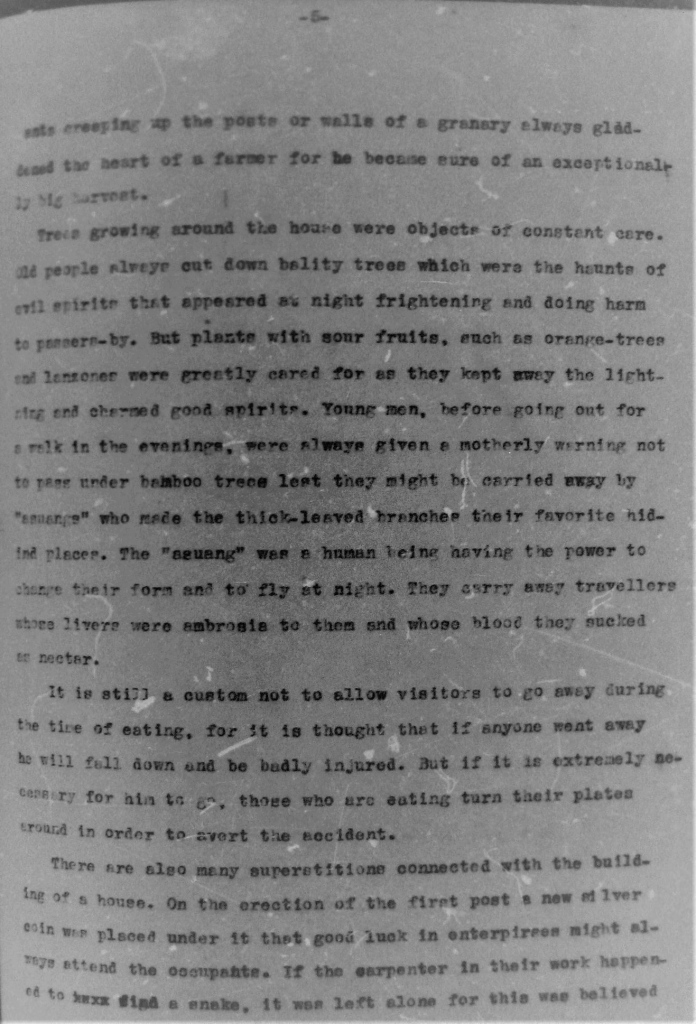
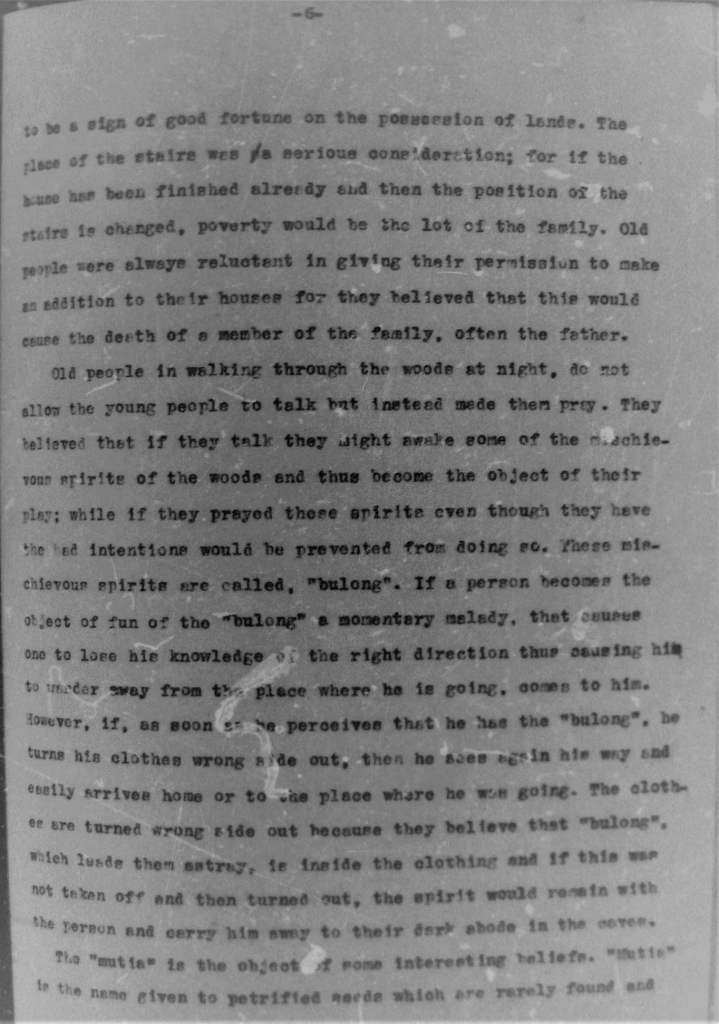
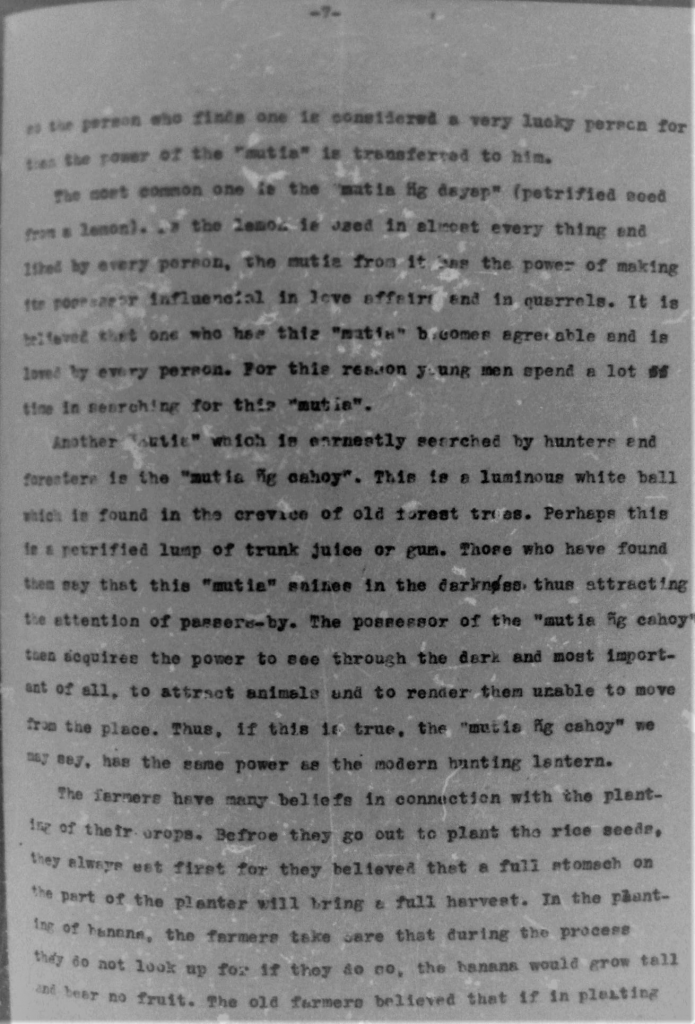
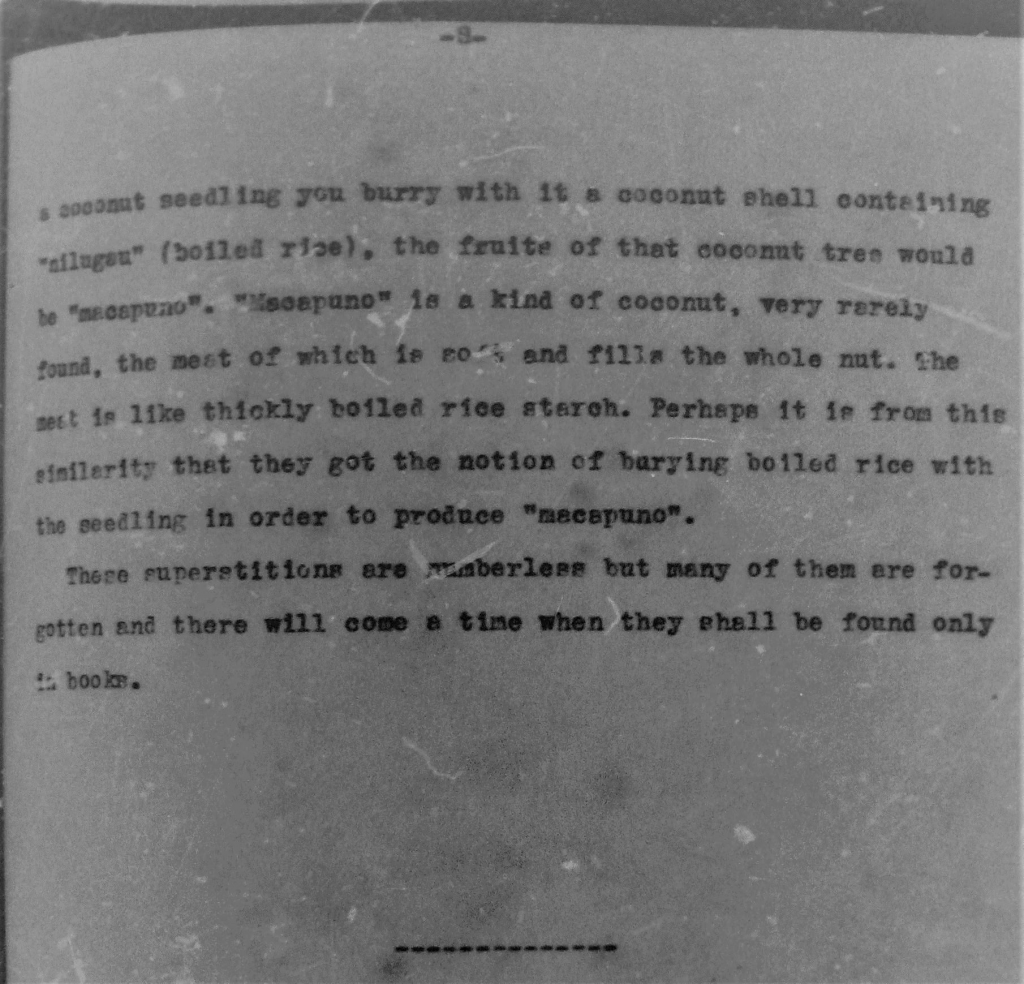
“Superstitions of the People of Boac, Marinduque” 1917

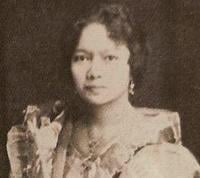
Written in 1917 by a then college student Nieves Hidalgo of Boac, Marinduque. Later in life to be known as a famous Philippine feminist.

She ends her paper writing “These superstitions are numberless but many of them are forgotten and there will come a time when they shall be found only in books”. And today we can add on the internet……

The First Air-Mail flight to Marinduque. October 30, 1931

Shown below is a postal cover which commemorates the first air-mail flight to Marinduque, October 30, 1931.

Research has shown the addressee, Major I. F. Peak, as a Flight Surgeon in the U.S. Army Air Corps stationed in Fort Nichols in Manila.

Information found from the Airpost Journal, February 1932, Page 27 report of Philippine First Flights is as follows:

The U.S. Army Air Corps (squadron stationed at Clark Field) Fort Stotsenburg has been lately very active with pioneering new Air-trails or new routes, and made several First Flights and pioneers, transporting Air Mail in due official way, previous announcement and corresponding permits or authorization in very case from the Bureau of Posts of the Philippine Government and in accordance of Rules and Regulations established. All were carried in mail bags as regular official Air-Mail, with its proper Way-bills of Dispatch, etc.

Several of these First flight covers to various points in the Philippines can be located during the 1931 timeframe.

Where exactly the airplane landed in Boac (if it did) is a mystery. A Post war photo I have shows a very primitive air strip located somewhere along the Boac River. It is also possible that the mail bag was air dropped as was documented in other locations.

Did you know there was a plan to change the look of the Boac Church?

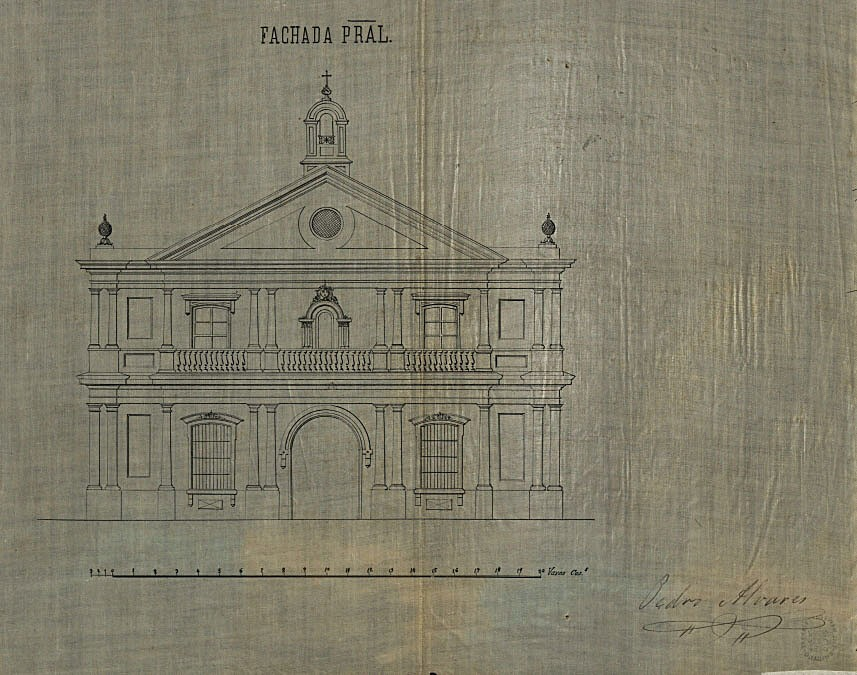
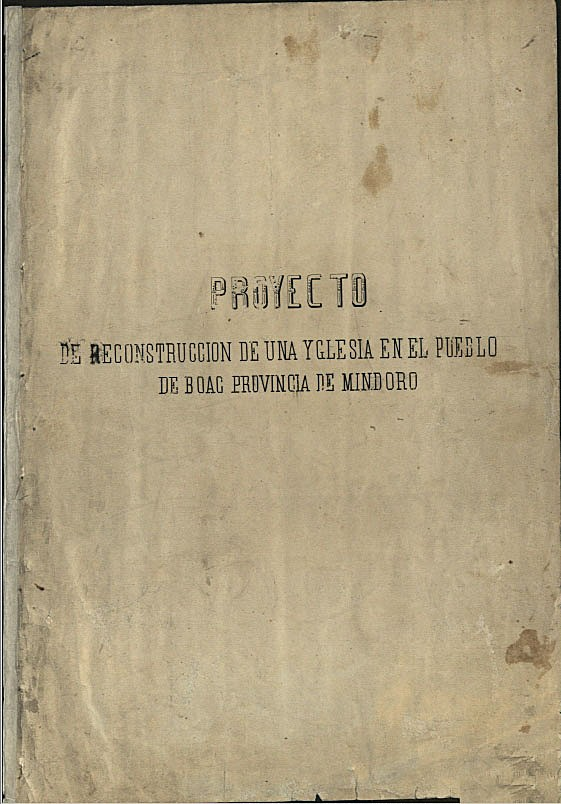
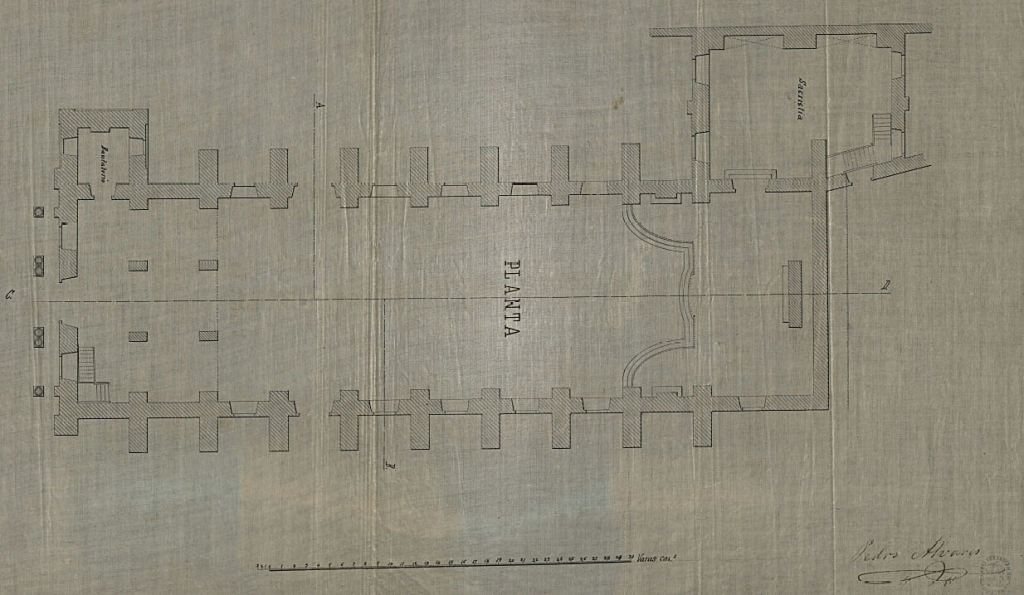
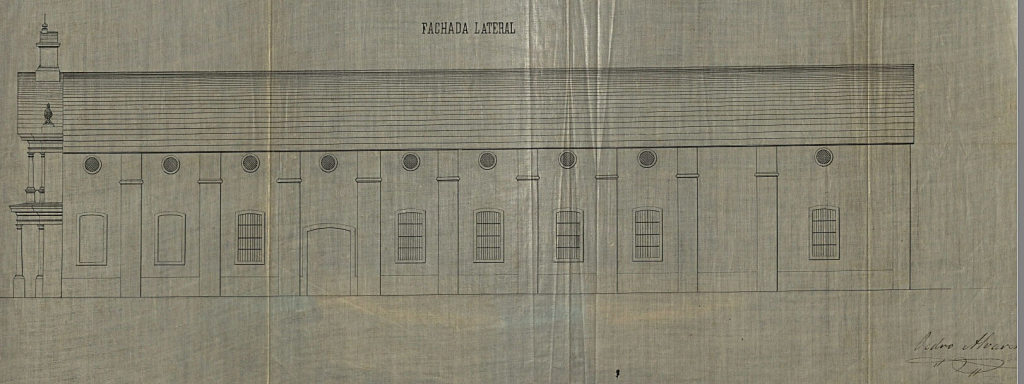
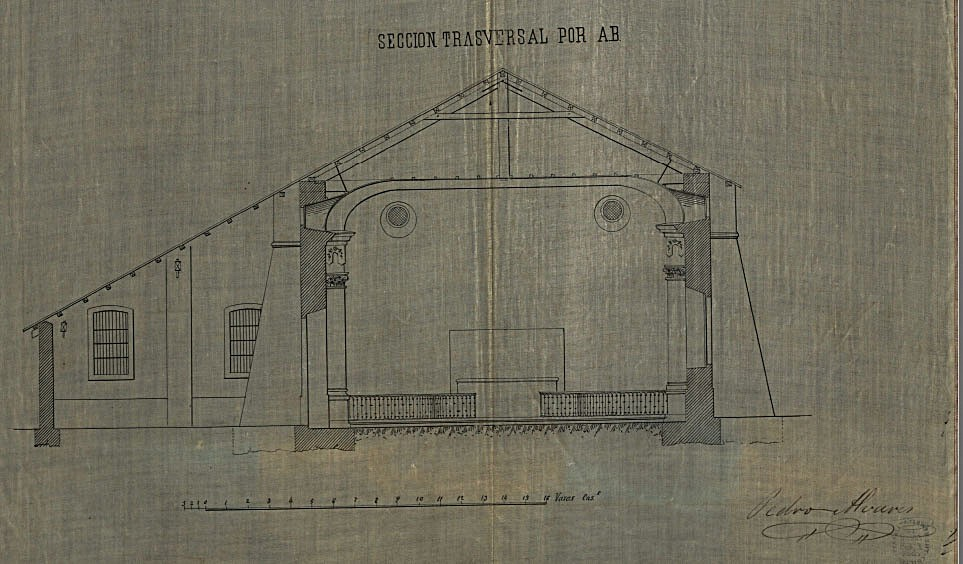
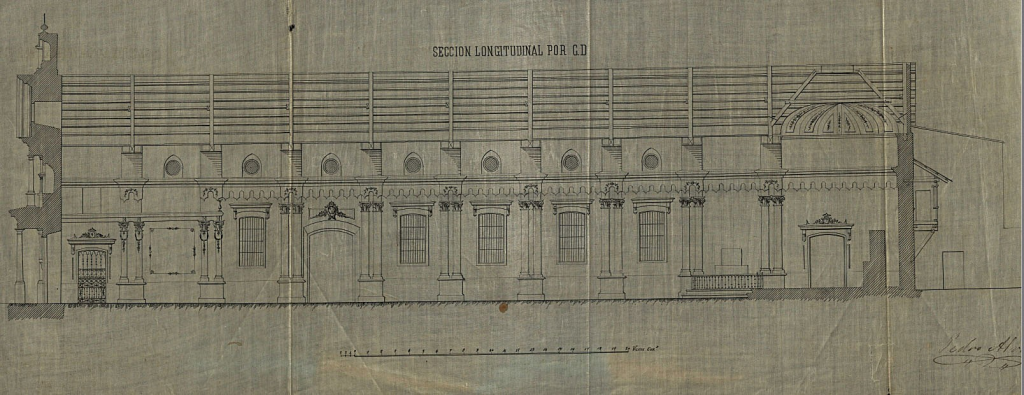
I was able to locate: Proyecto De Reconstrucction De Una Ygelsia En El Pueblo De Boac Provincia De Mindoro (Reconstruction Project of a Church in the Town of Boac, Mindoro Province).

It is a floor plan, front elevation, cross section, and 2 lateral elevations of the Boac church Signed by Pedro Alvares and disbound from paper title page. Pen-and-ink. 5 technical drawings on cloth sheets 310 x 697 mm or smaller. The plans are undated.

The church plan was donated to the Newberry Library collection by Holman G. Purinton. Purinton served in many capacities in the Philippines. Captain in Company C 29th Regiment United States Volunteers (2). Various elements of the 29th USV were stationed in Marinduque during 1900 and 1901 and were known to have quartered In the church in Boac.
As a Captain with the 29th he served as the Superintendent of Carcel de Bilbid, relieving Alcalde M. Benitez. Captain Purinton was also assigned as the Manila City Engineer, Department of Public Works and Water Supply, Military Government of the Philippines.

During the time Purinton was stationed in the Philippines he was also serving as Sir Knight Holman Greene Purinton, Eminent Grand Captain General of the Knights Templar of Illinois, USA.

Besides donating the Church plan to the Ayers collection, Purinton also donated a Baptism document from the Boac Church and various letters from Bilbid Prison and the City of Manila. It is not known under what authority (if any) he obtained these documents and removed them from the Philippines.

Marinduque starred in a Hollywood Movie (Almost)

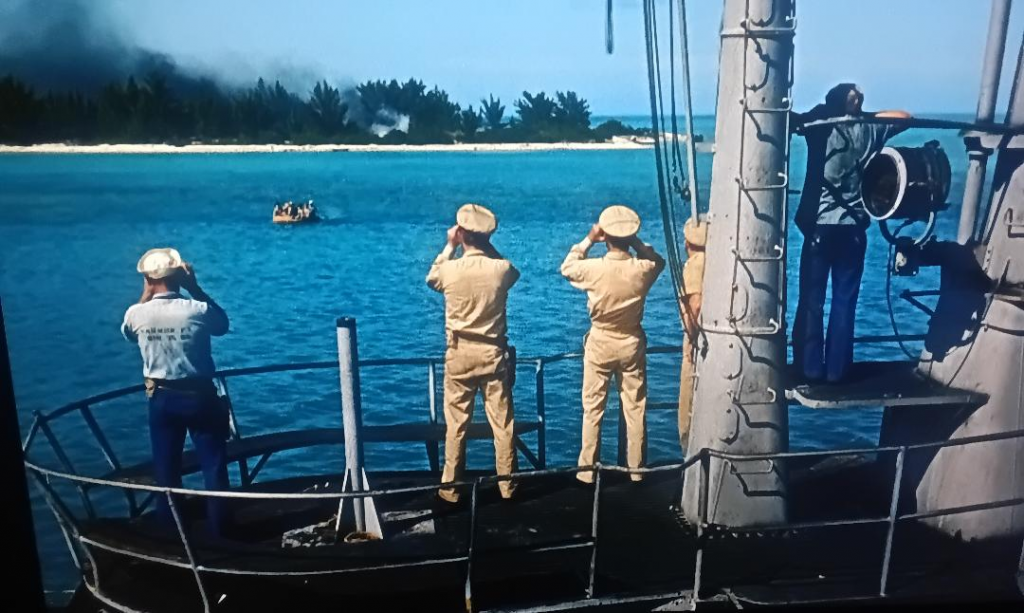
The island of Marinduque in the move and tv series Operation Petticoat.

A brief synopsis of the film:

The Philippines, December 1941. Lt. Commander Matt Sherman is the captain of USS Sea Tiger, a submarine. While in harbor she is damaged by a Japanese air raid and is close to being written off as sunk. However, the crew manage to refloat her and repair her as best they can. The submarine sets out for Australia for repairs. On the way they stop at a US -held island only to find it deserted, but for a stranded group of Army nurses and must take them aboard.

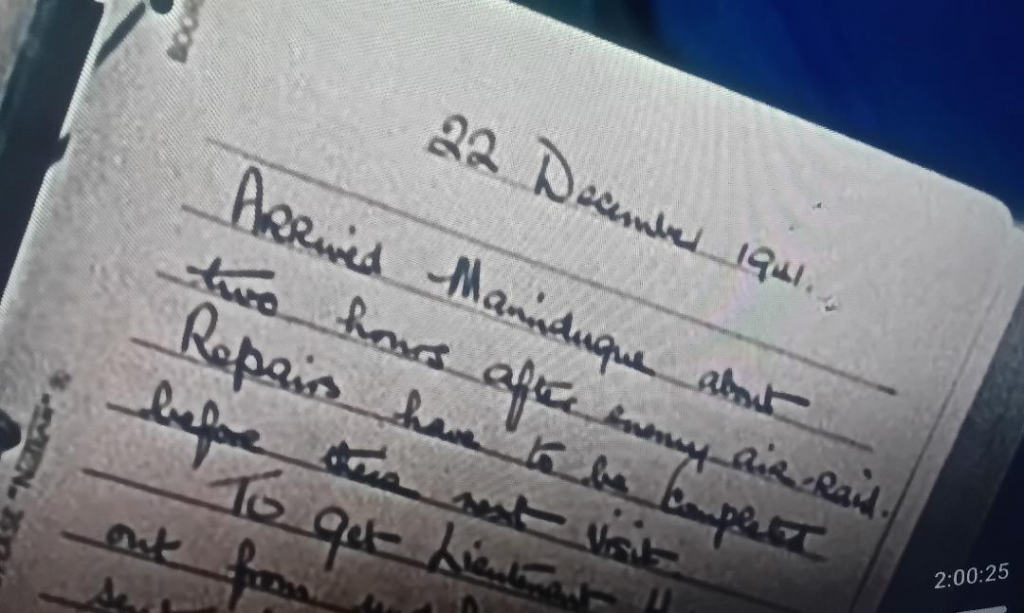
Marinduque is the island in the movie. There is a brief shot of the captain writing in his logbook that he arrived at Marinduque. Another shot shows the nurses leaving the island in a rubber raft. The actual beach location used for this shot is not Marinduque but was in Key West Florida.

The move was released on December 24, 1959.

In September 1977, an American sitcom based on the movie was broadcast. It was broadcast on ABC for two seasons 1977 and 1978. The first season starred John Astin as the skipper of the submarine, as well as Jamie Lee Curtis, the daughter of Tony Curtis, who had starred in the 1959 film.

The picture from the sound stage is from the first episode of the sitcom and although labeled Marinduque, the set was used to simulate a different island. The original print comes from the portfolio, “Robert Cumming: Studio Still Lifes,” Universal studios, California, 1977,

In December 1941, an American submarine did visit Santa Cruz, Marinduque to gather intelligence and warn the locals that the war had started. I will share the submarine logs in another post.

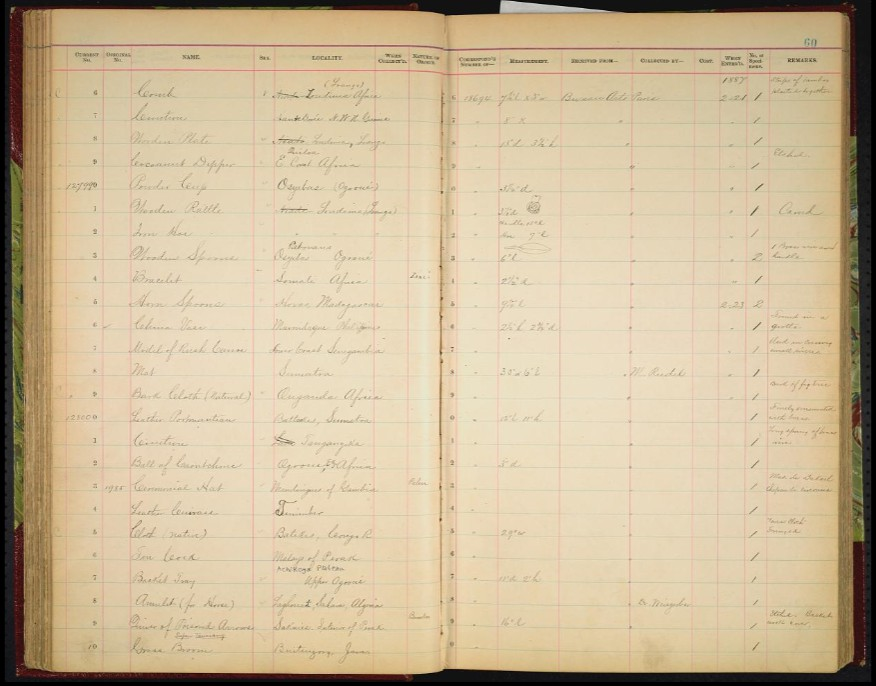
Jarlet found in Marinduque cave by Alfred Marche 1881

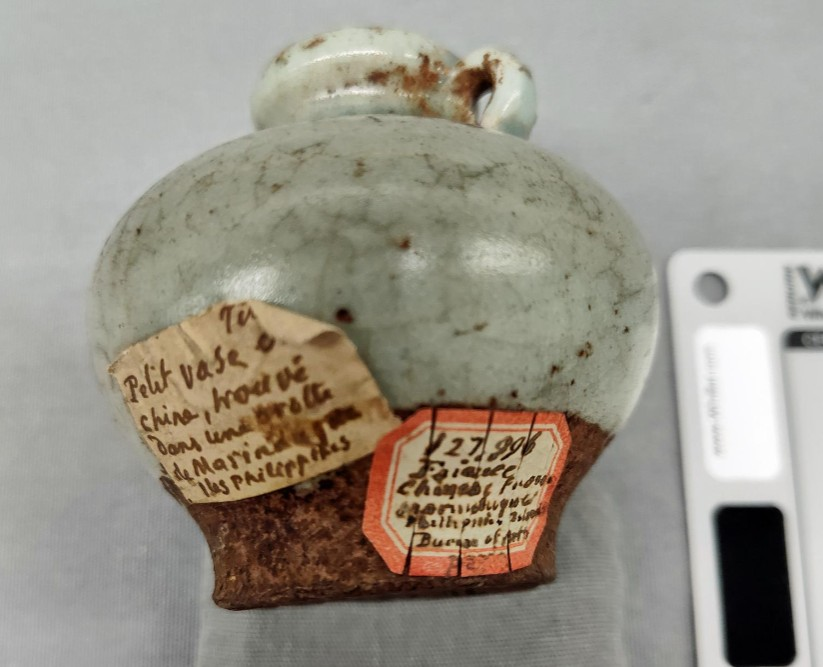
Have you ever seen the jar in the U.S. Smithsonian that was found in Marinduque by Alfred Marche?

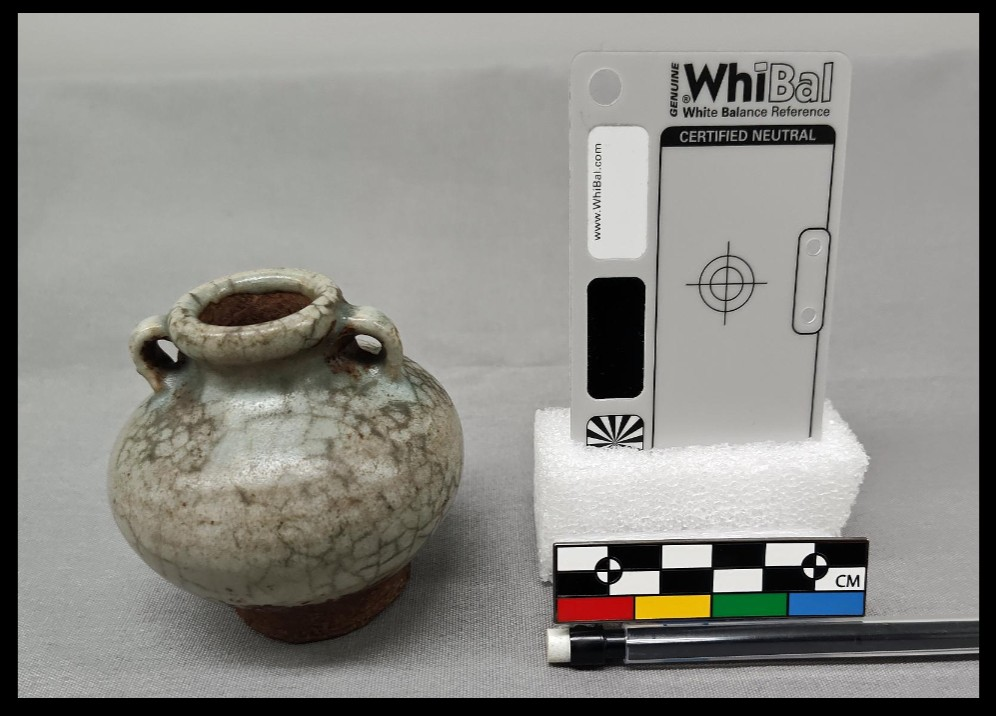
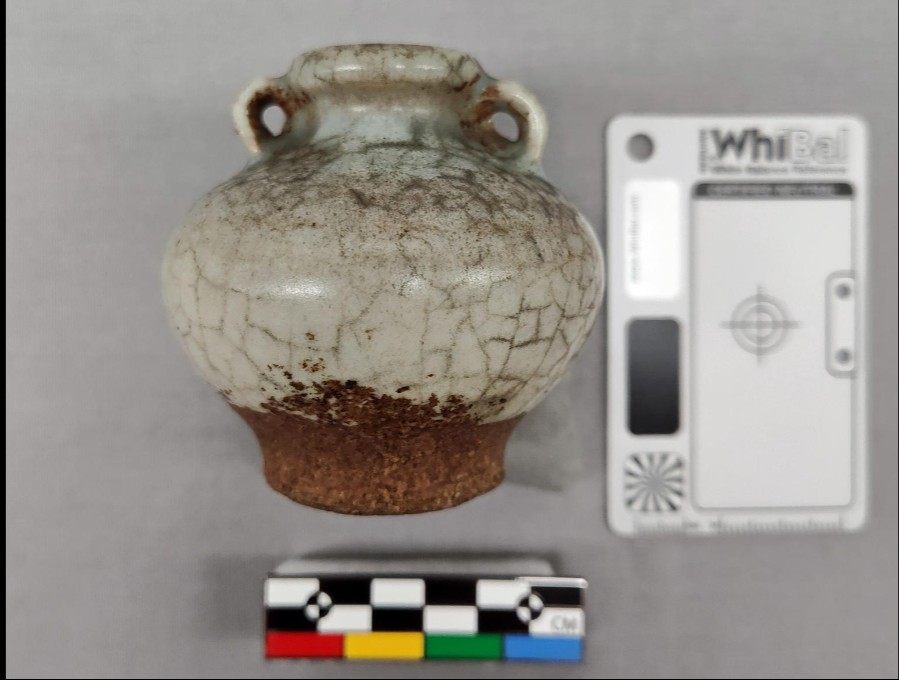
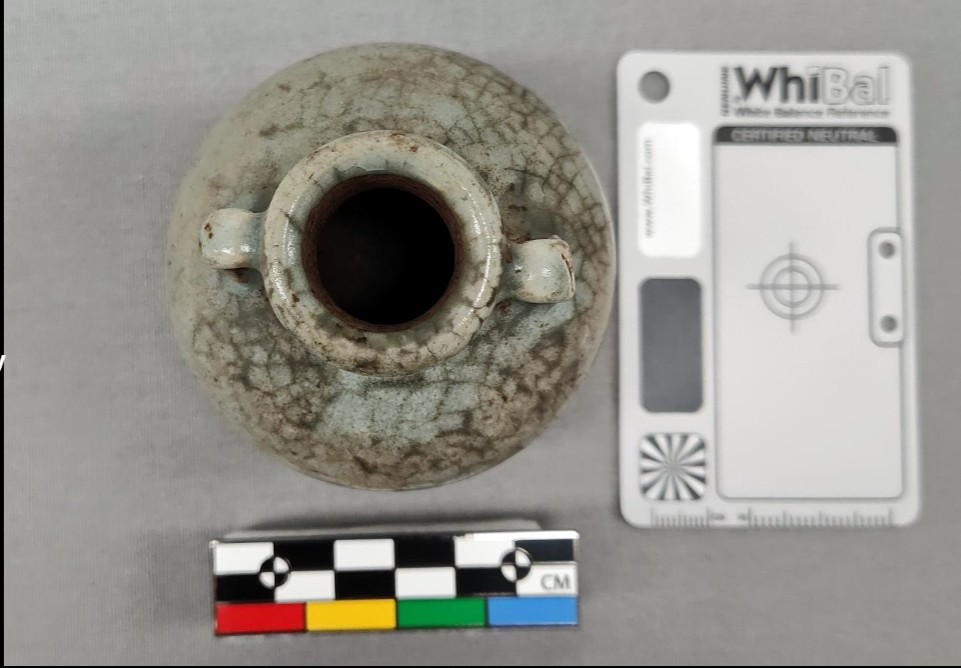
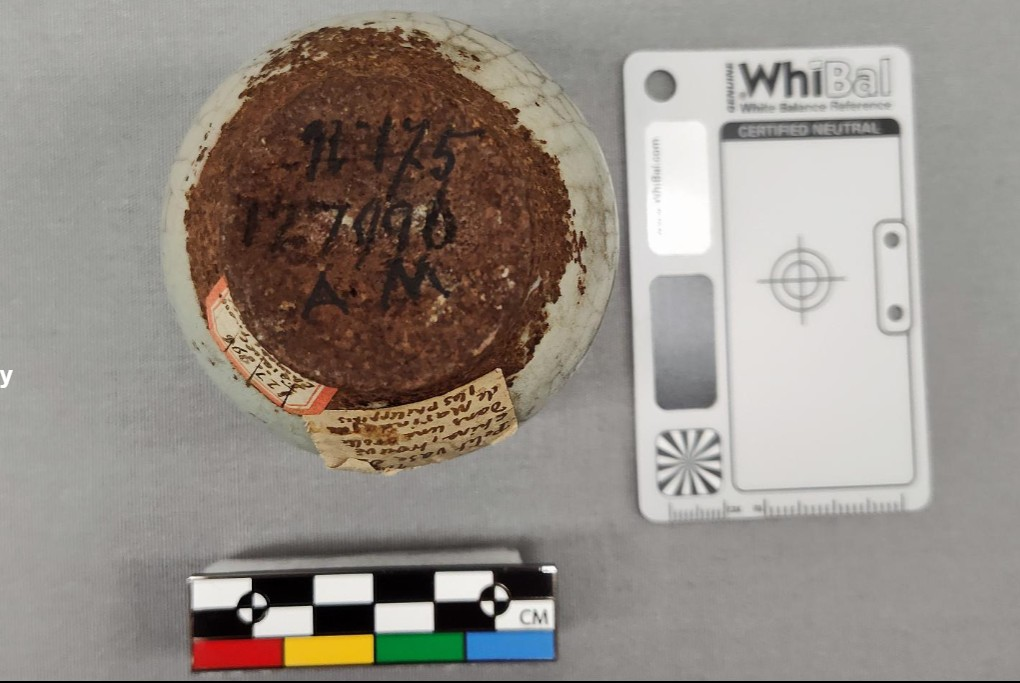
Below are the description and photos of the “jarlet”. Line 6 of the logbook describes the item.

Collector

Antoine-Alfred Marché

Donor Name

Musée d’Ethnographie du Trocadéro, Paris (later the Musée de l’Homme)

Notes

From card: “Glazed Stoneware made of a grey clay colored brown and covered with a bluish grey glaze [celadon?] of Chinese manufacture. Form: The lower part of body has a bell shape with a convex shoulder sloping to the neck which is short and concave and has a thickened rounded rim and two small loop handles. it was found in a grotto on Marinduque Island, Philippine group.”

Bottom of this small jar or jarlet is marked: “R-175. A.M.” Jar has two labels glued on the side. First label, in French: “Tibor. Petit vase de Chine, trouvé dans une grotte de Marinduque Iles Philippines.” The second label, in English: “Faience. Chinese. From Marinduque Philippine Islands. Bureau [sic] of Arts, Paris.”

From April – July 1881, Alfred Marché (Antoine-Alfred Marché), a French naturalist and explorer, explored and excavated caves in Marinduque, Philippines, and brought back a collection, some of which was deposited in the Musée d’Ethnographie du Trocadéro, Paris (later the Musée de l’Homme). In 1887, the Smithsonian received a collection from the Musée d’Ethnographie du Trocadéro, including jar # A127996, which was identified as being from a cave in Marinduque.

It therefore may be speculated that the jar # A127996 may be part of the material collected by Alfred Marché. Note also that the jar has the initials “A.M.” marked on its base.