The owner of this program has penciled in next to some of the graduates’ names, their course of studies or future professions. Maybe your parent’s or grandparents’ names are listed among the graduates.


The History of Marinduque from Ulong Beach

The owner of this program has penciled in next to some of the graduates’ names, their course of studies or future professions. Maybe your parent’s or grandparents’ names are listed among the graduates.
The Immaculate Conception Academy, Boac, Marinduque. Special Cooking Class Exhibition and Banquet March 21, 1937.
Unfortunately for us, no menu.


Dr. Fe Del Mundo mentioned in the article, let’s celebrate the contributions of these 11 remarkable women scientists in the Philippines.
https://www.facebook.com/share/p/1B296MjT6o

From the 1957 Marinduque Association’s 25th anniversary booklet. Antonio Lim’s contribution “I am a Marinduqueno”


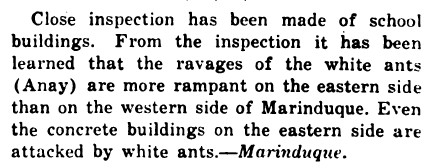
Philippine Public Schools Vol II, No.2 February 1929 reported


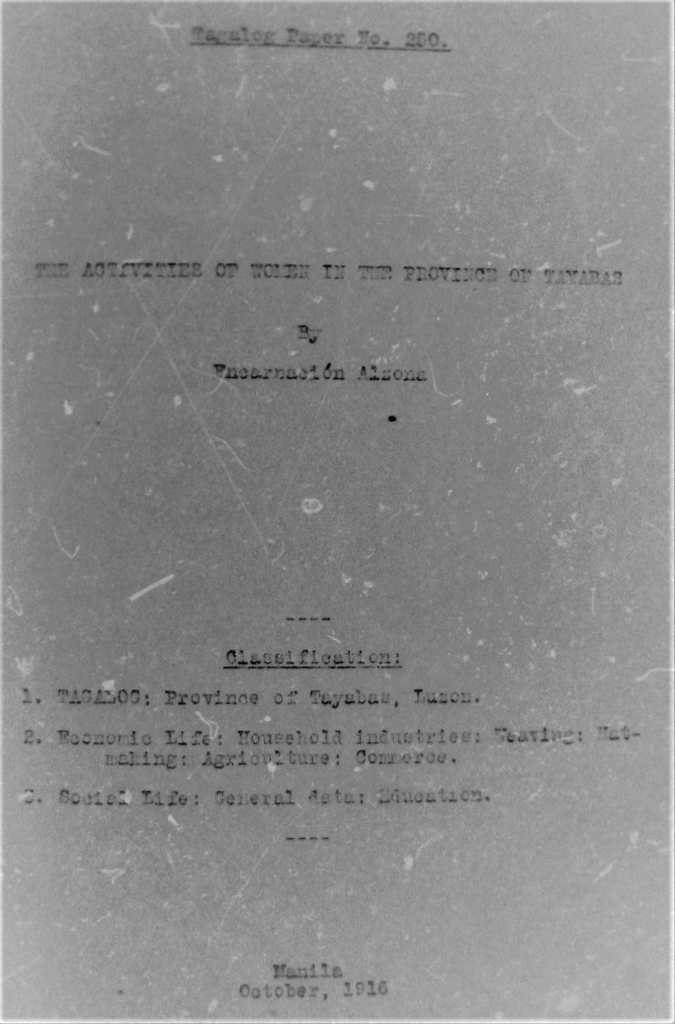
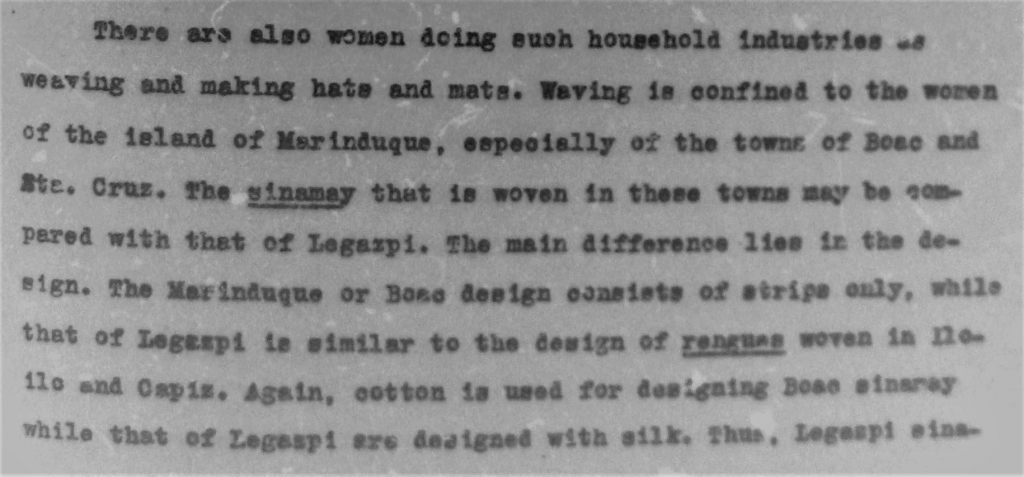
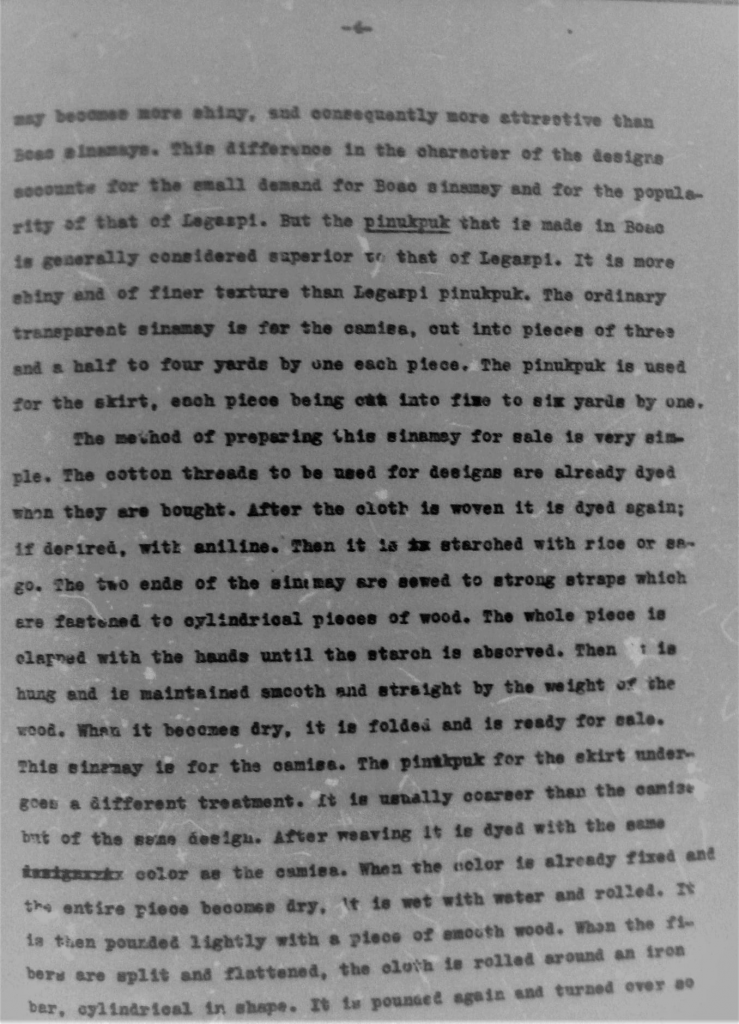
In 1916 Marinduque was part of the Province of Tayabas. On pages 3,4 and 5 of Alzona’s paper there is a discussion concerning Sinamay use in Marinduque and The Boac Terno. Sadly there are no illustrations in the paper.

To our friends and neighbors in Santa Cruz, Do you still fear the Asuang or Caffre? What can you do or not do during thunder and lightning? In 1924 Serapio Rolluqui, a student at the University of the Philippines and Santa Cruz resident, published the above paper.
| Topics include: Asuang, Death, Dreams, Ghosts, Good and Bad Luck, Lightning and Thunder, Love Affairs, Money, Rain, Sickness and Visitors |


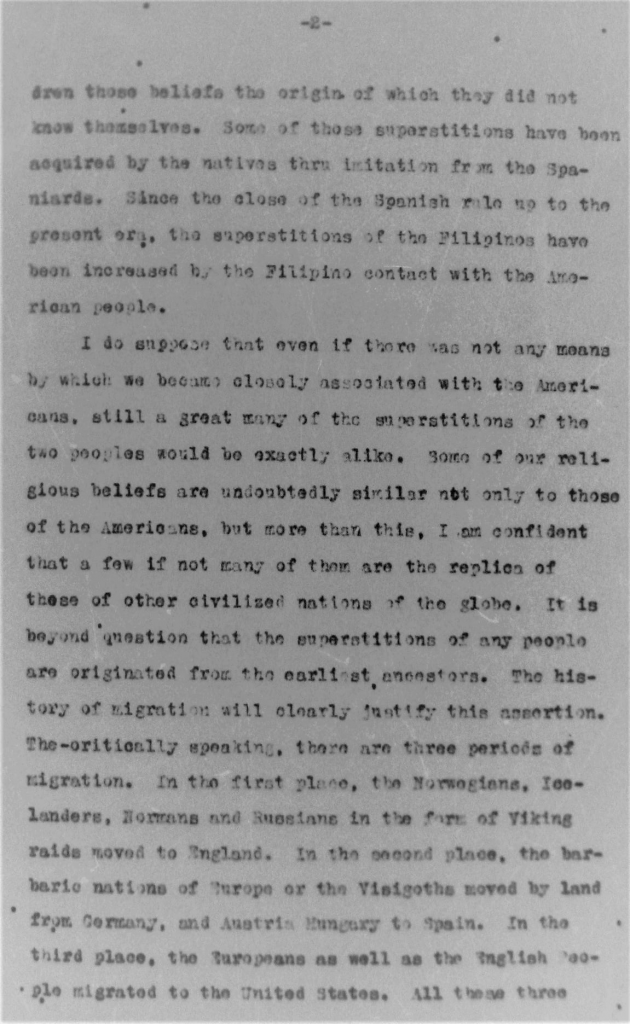
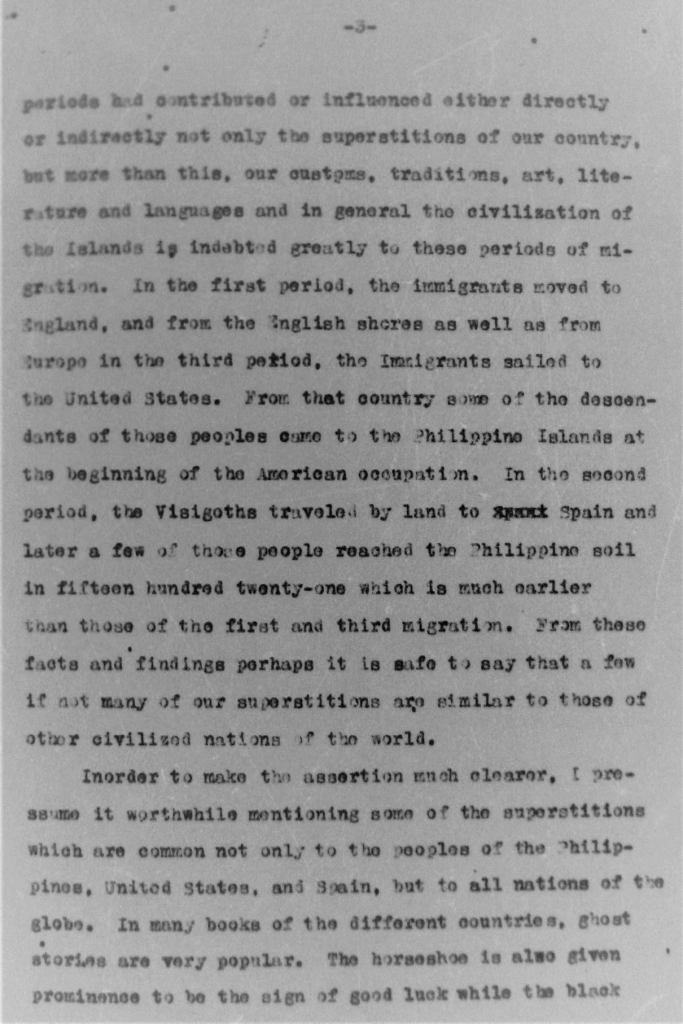

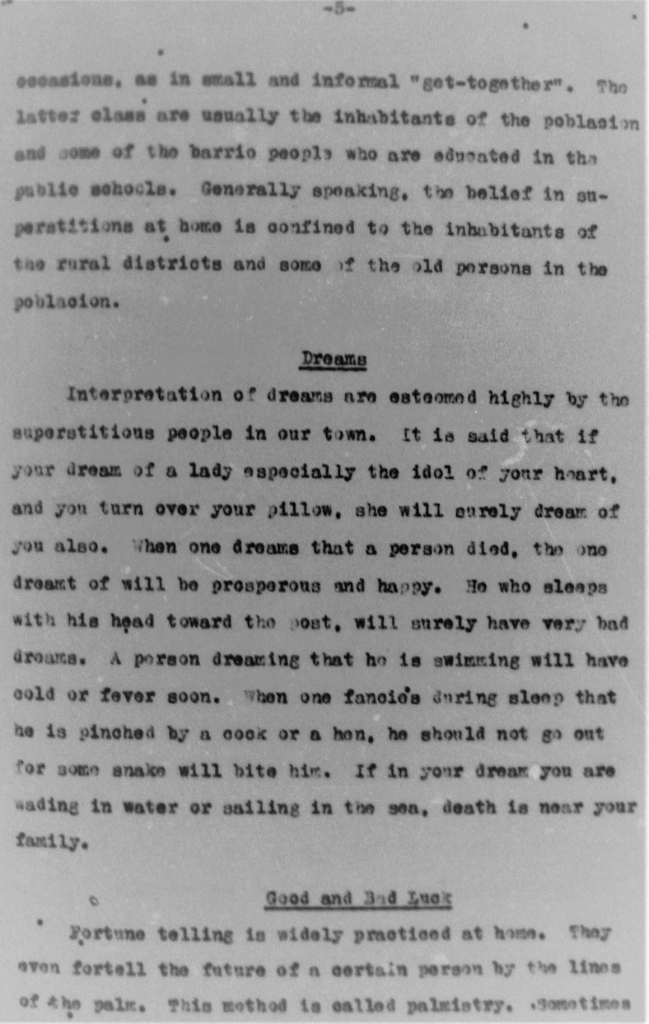

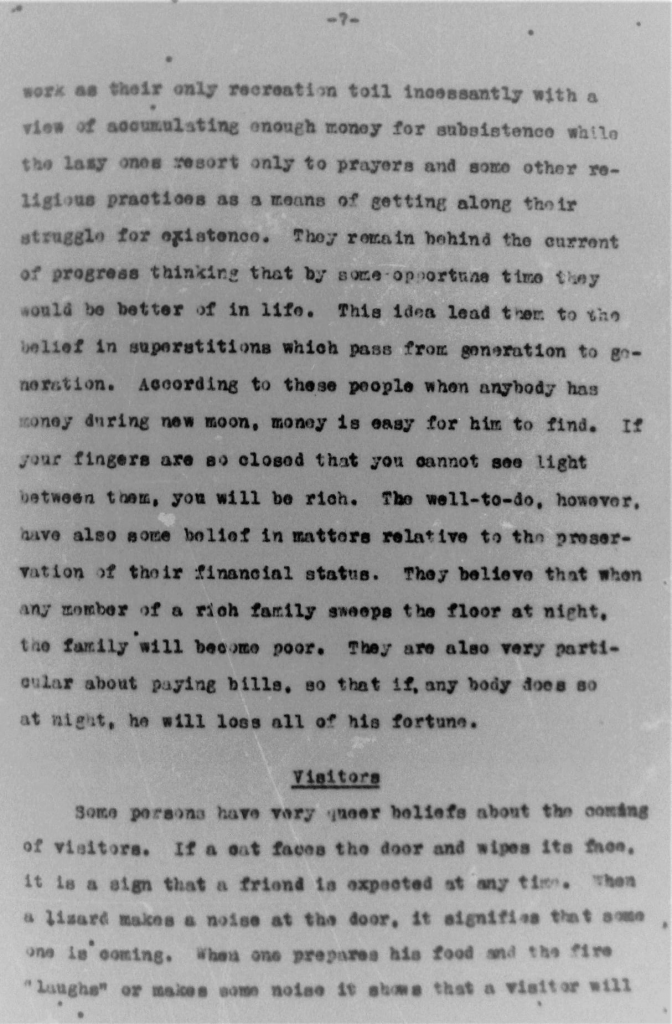
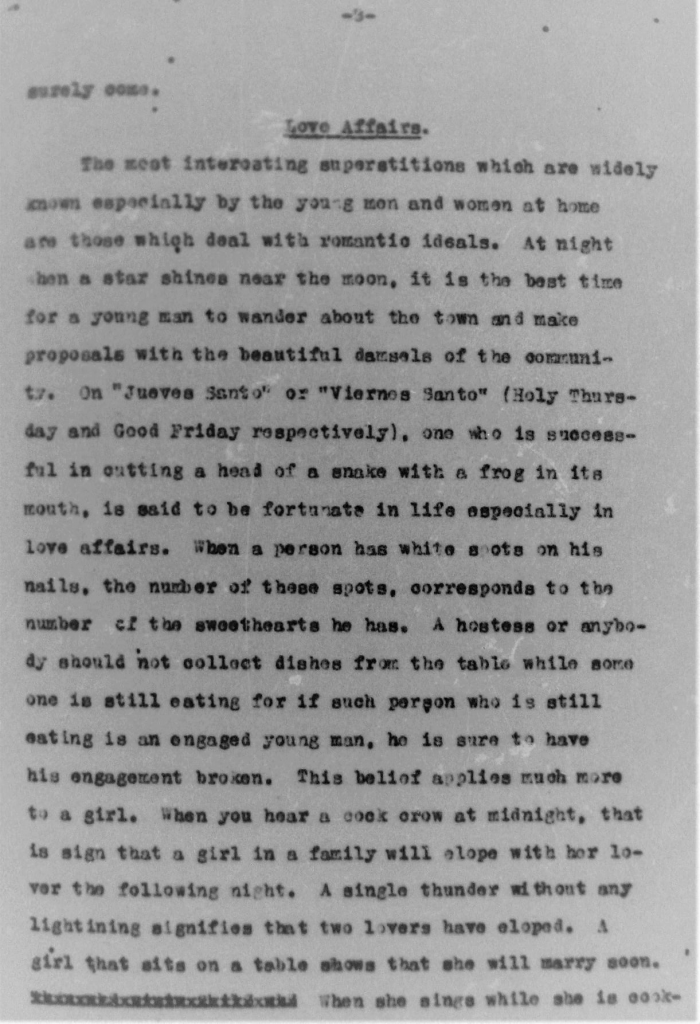
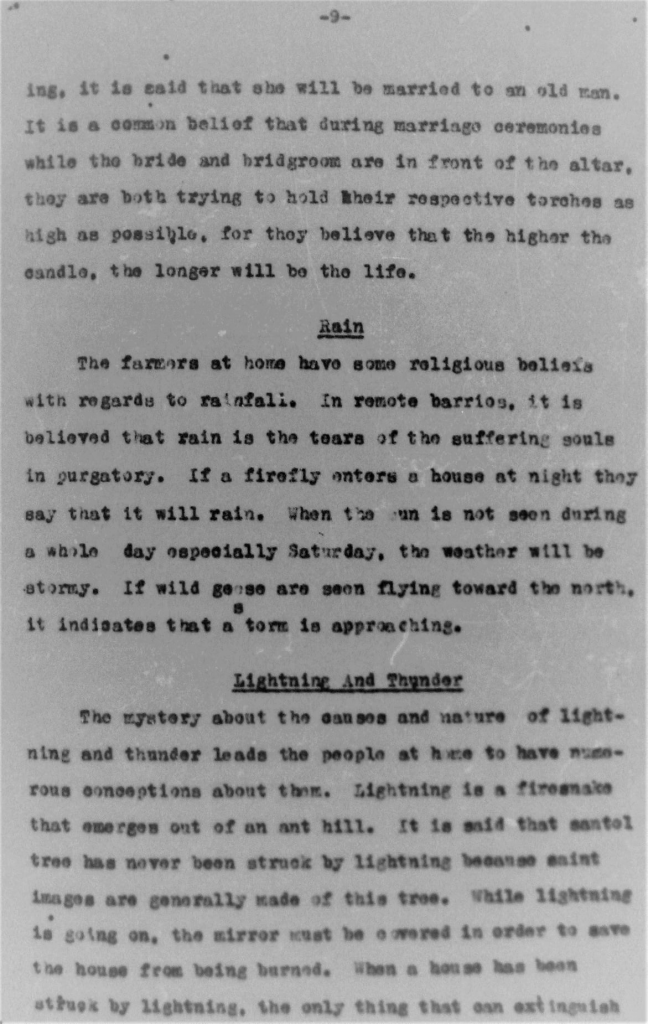

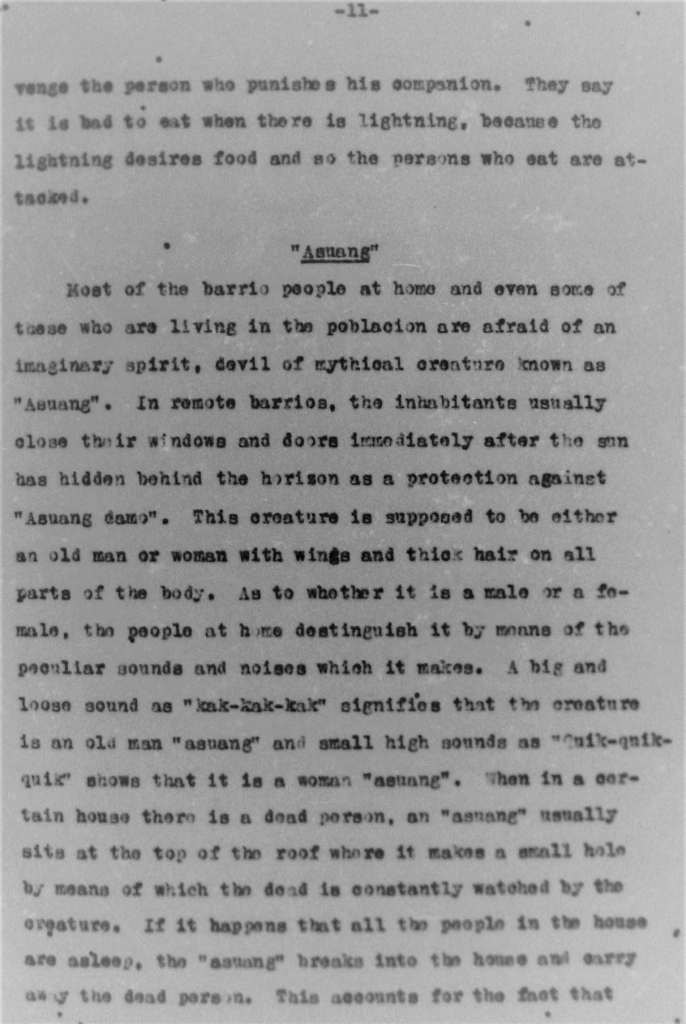
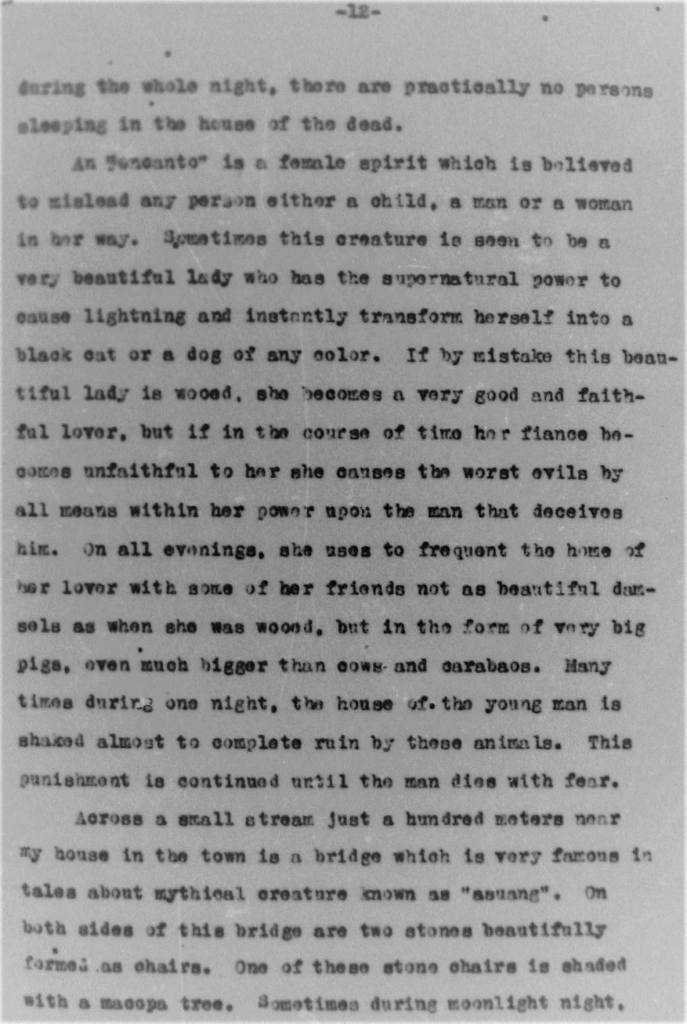

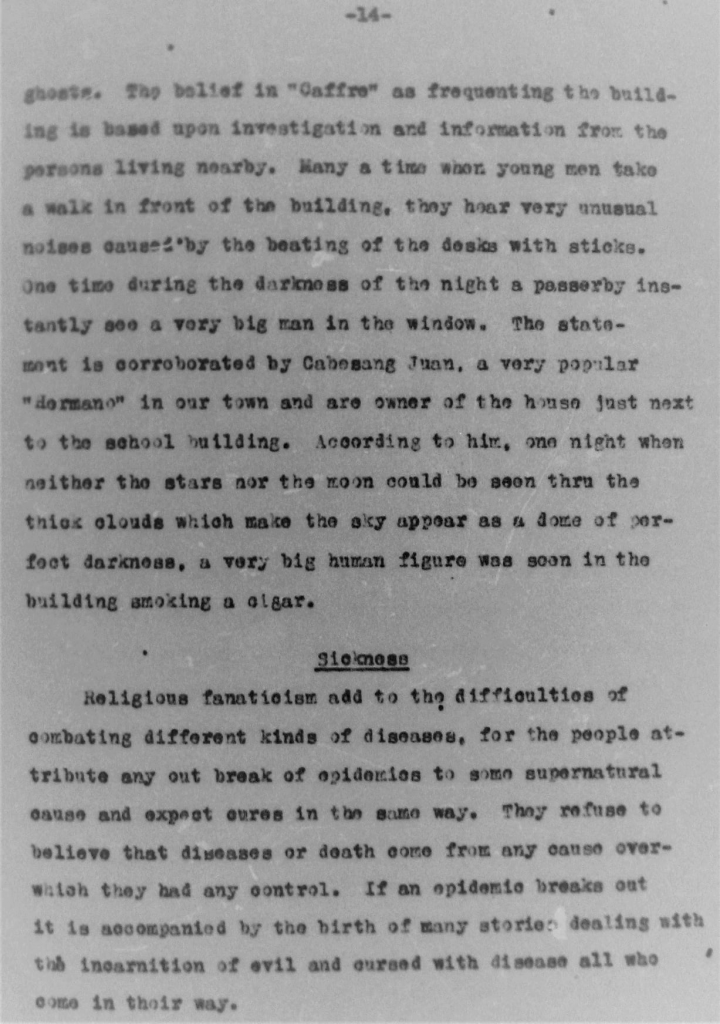
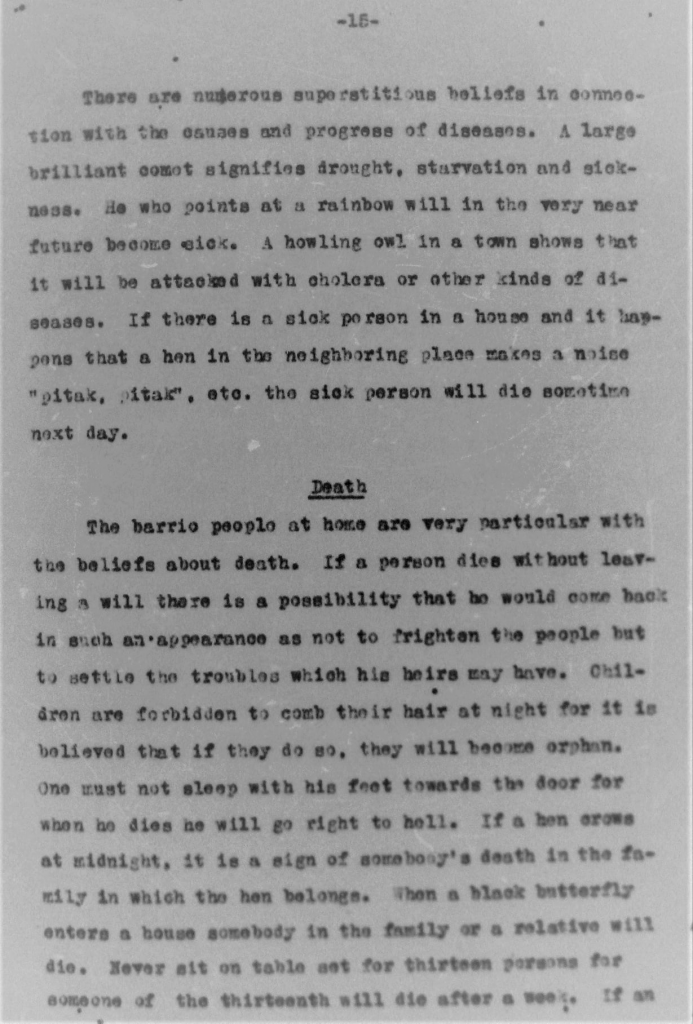
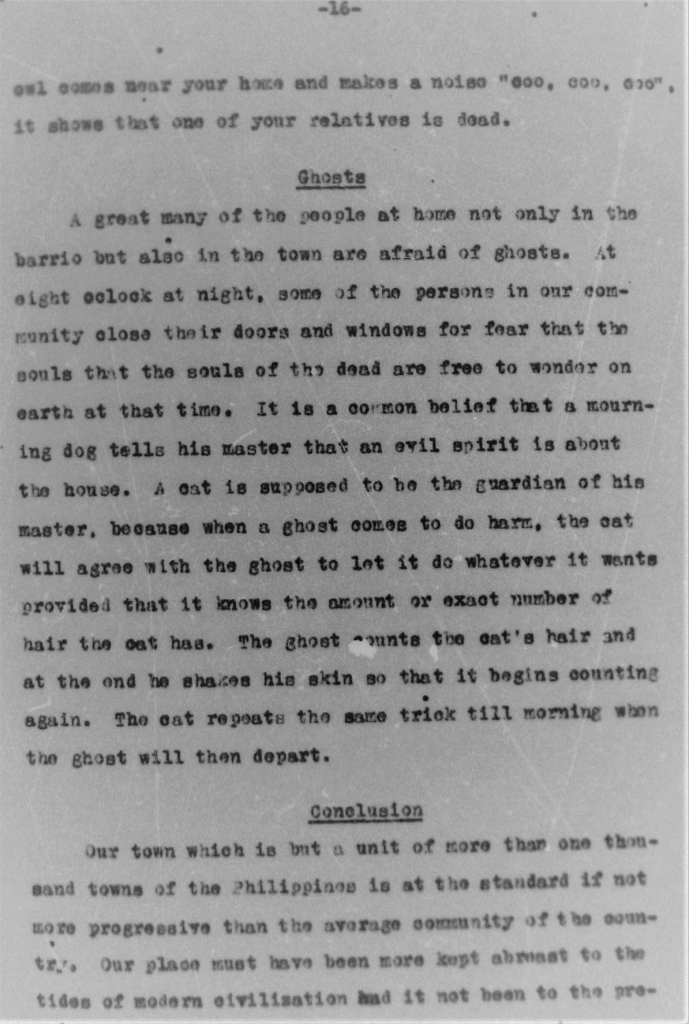
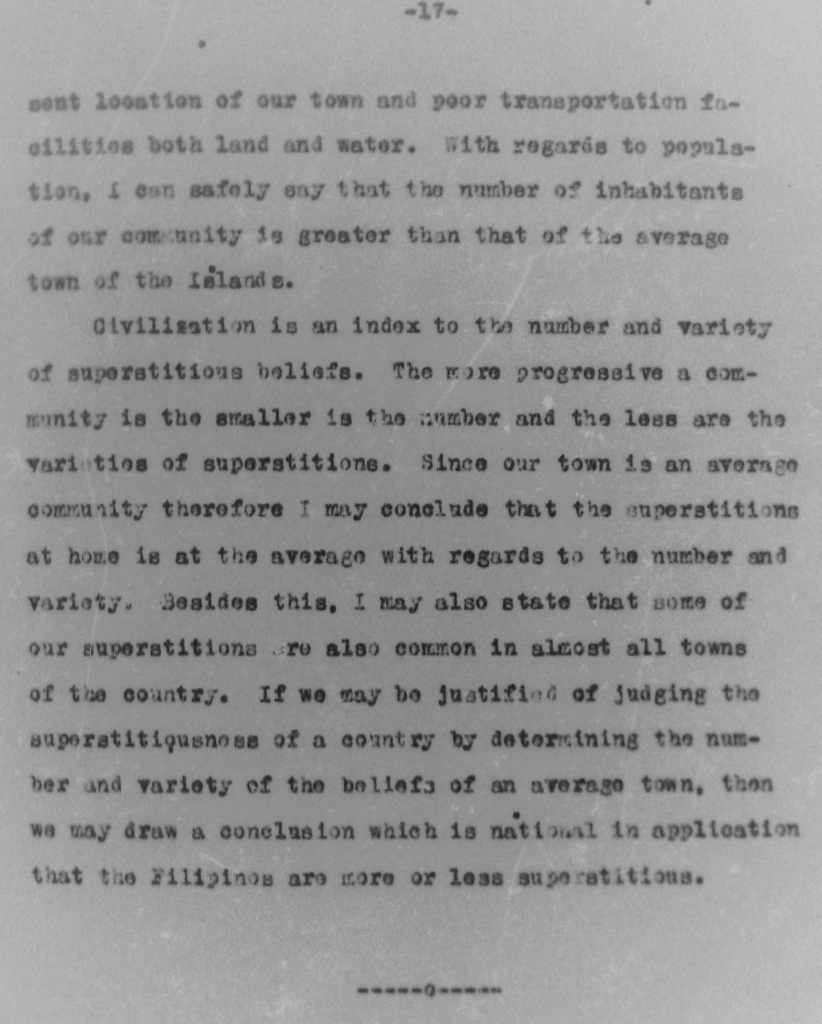
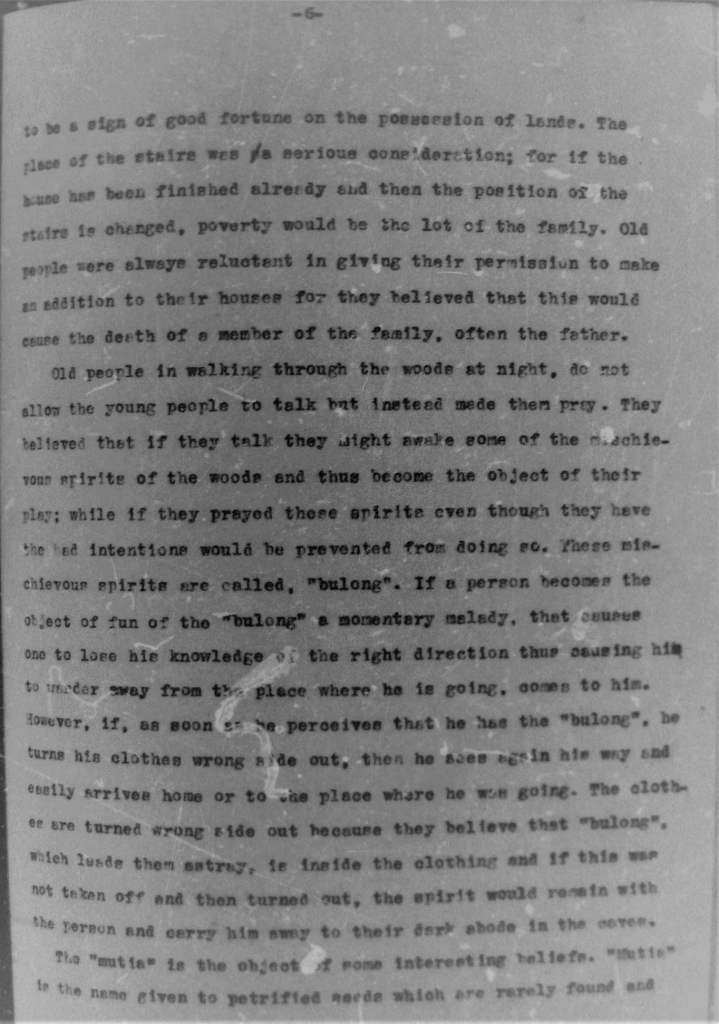
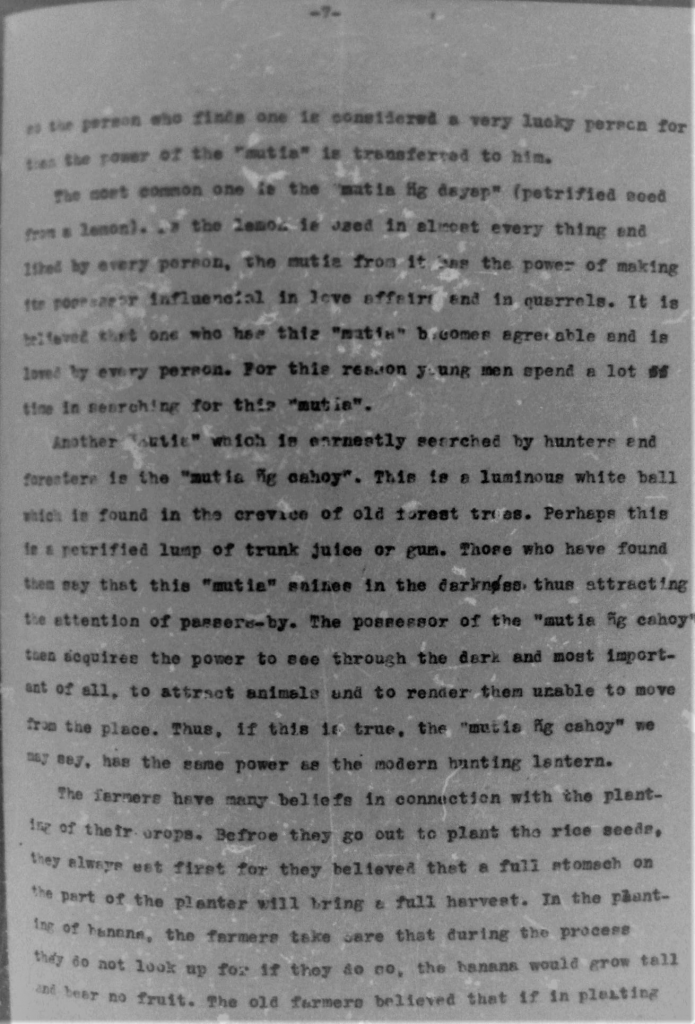
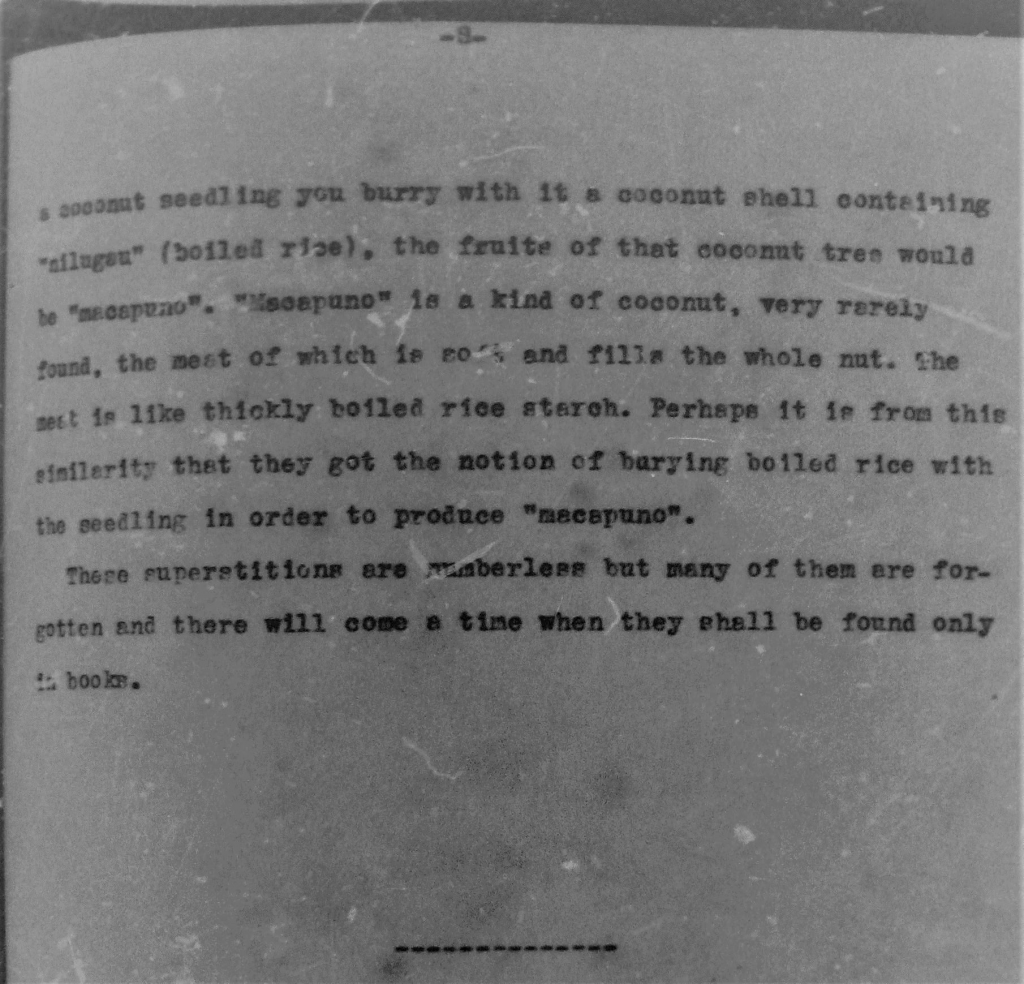
Written in 1917 by a then college student Nieves Hidalgo of Boac, Marinduque. Later in life to be known as a famous Philippine feminist.
She ends her paper writing “These superstitions are numberless but many of them are forgotten and there will come a time when they shall be found only in books”. And today we can add on the internet……
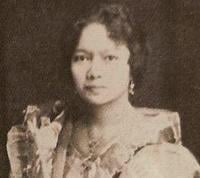


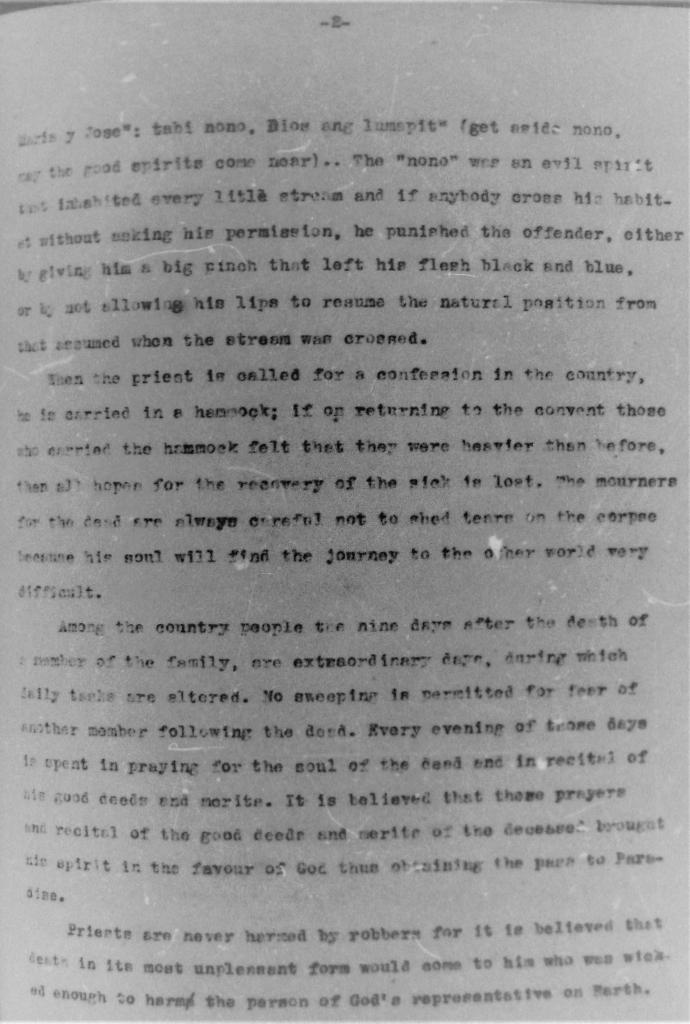

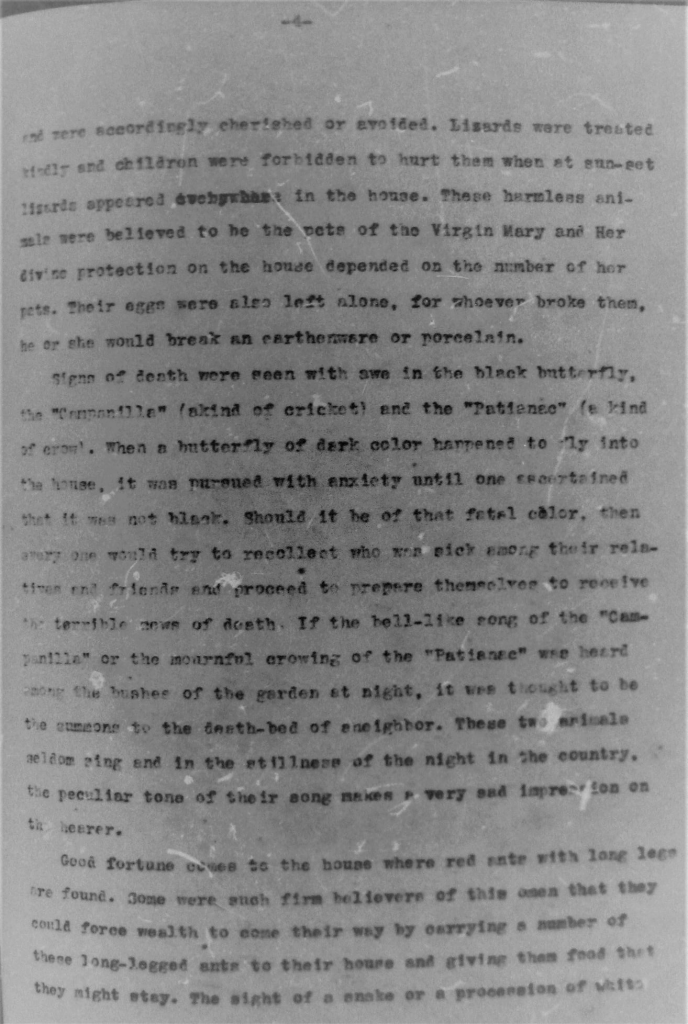
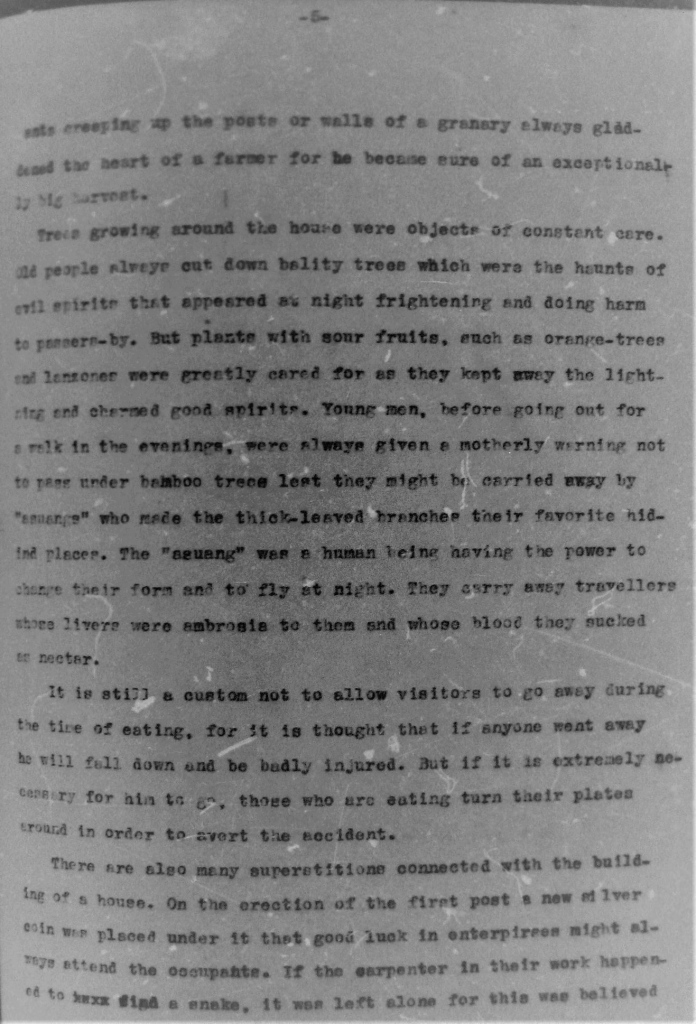
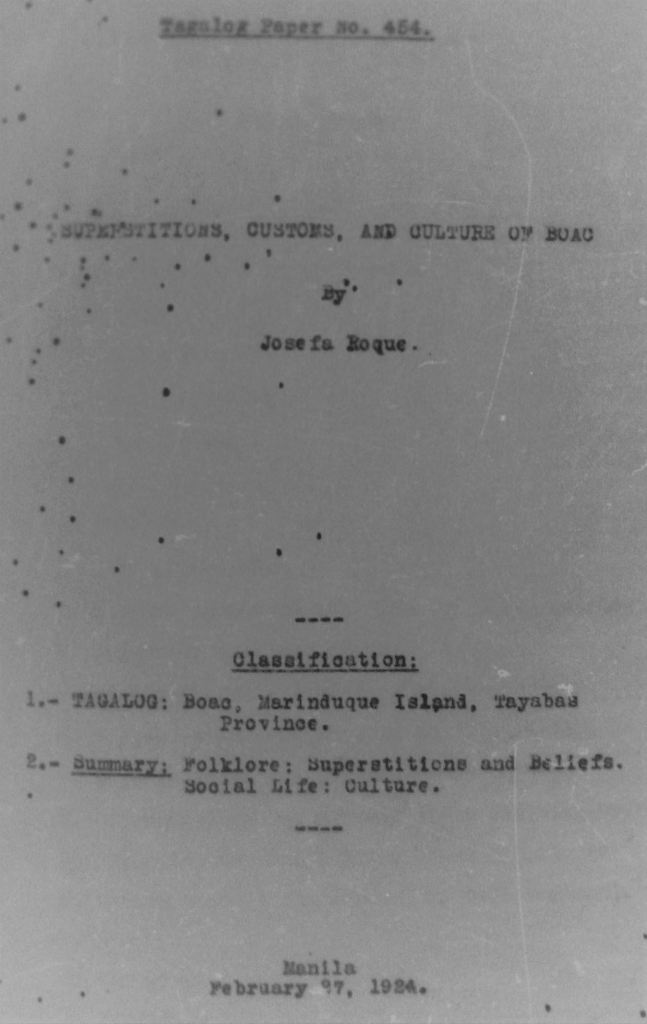
Josefa graduated the University of the Philippines in 1924 with a Degree of Bachelor of Science in Education.
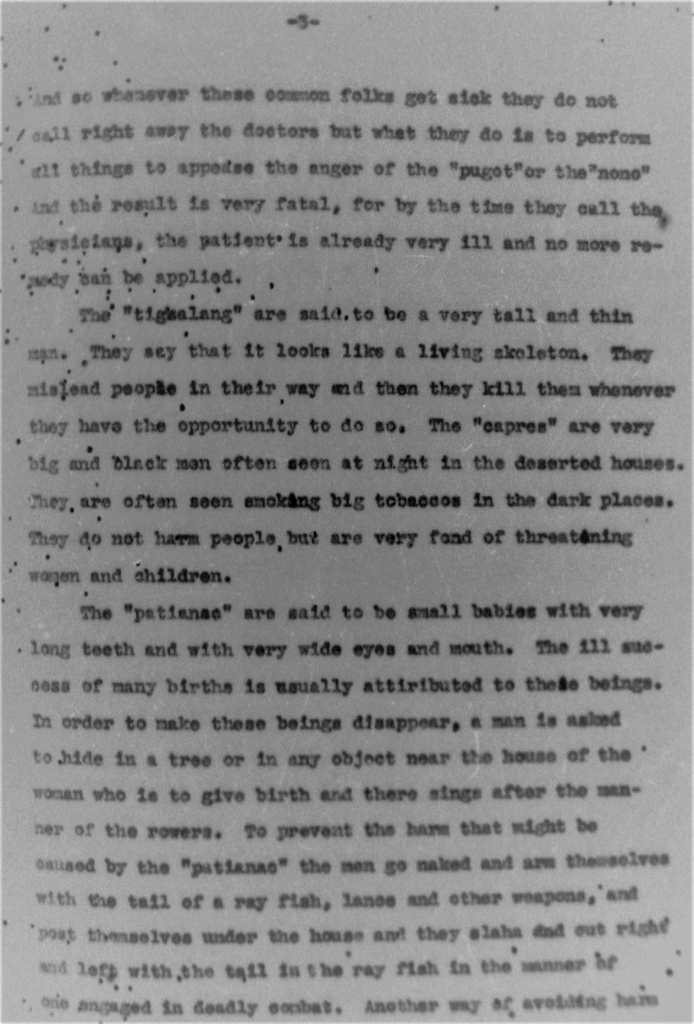
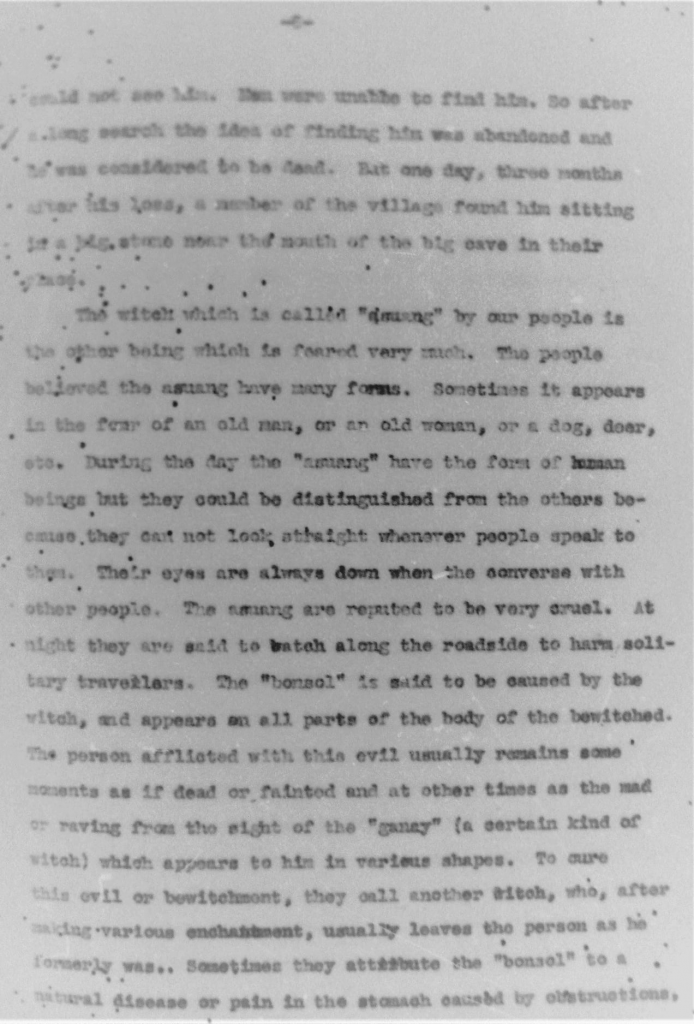
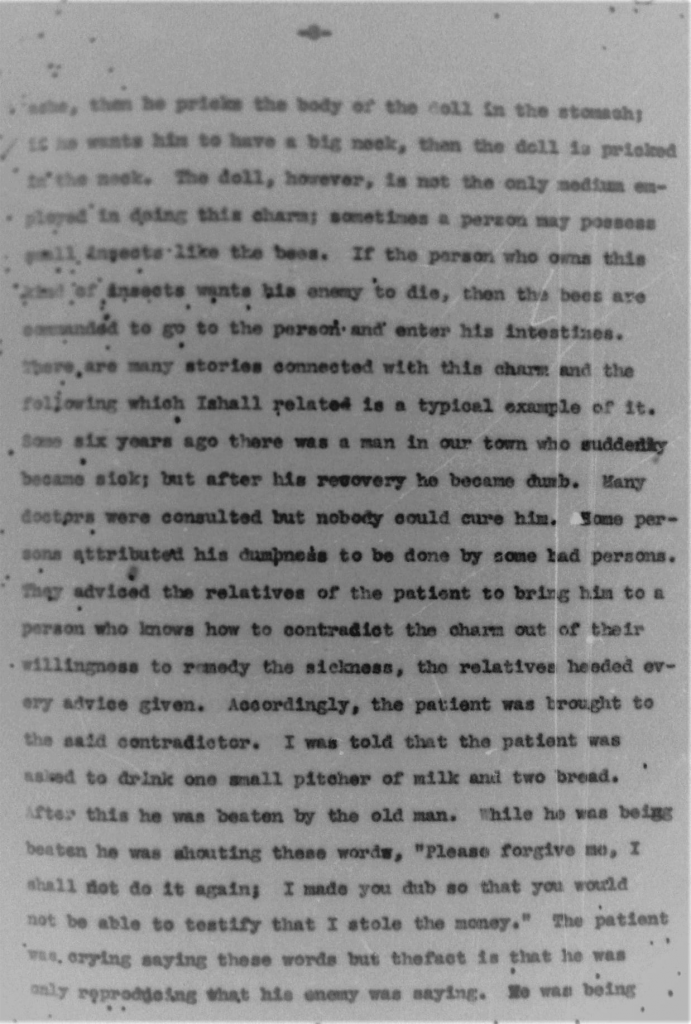
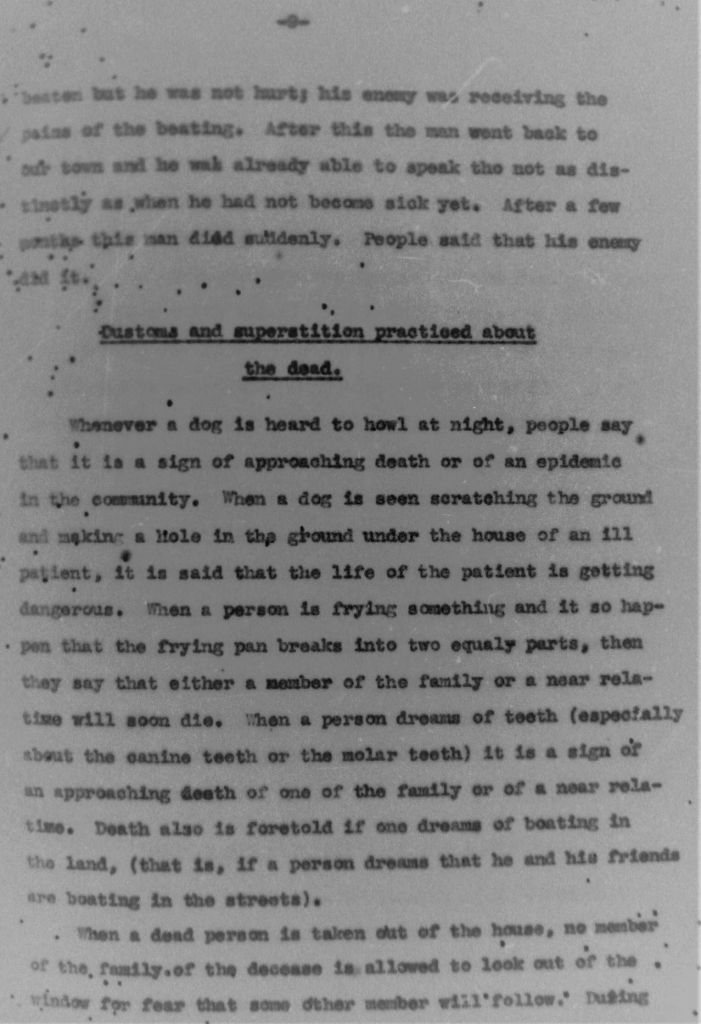
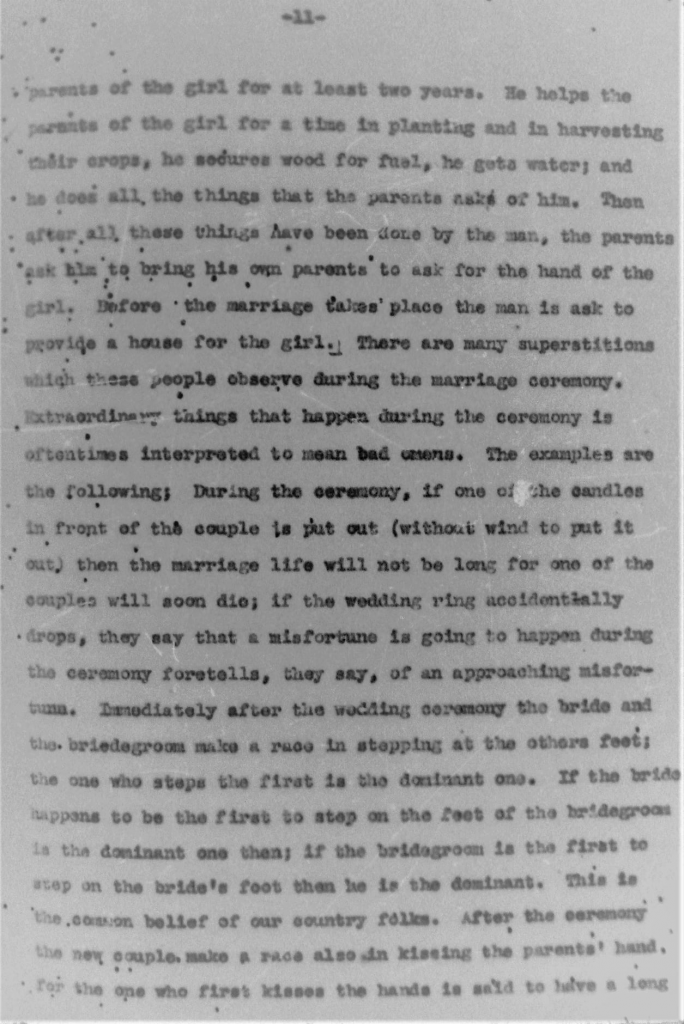
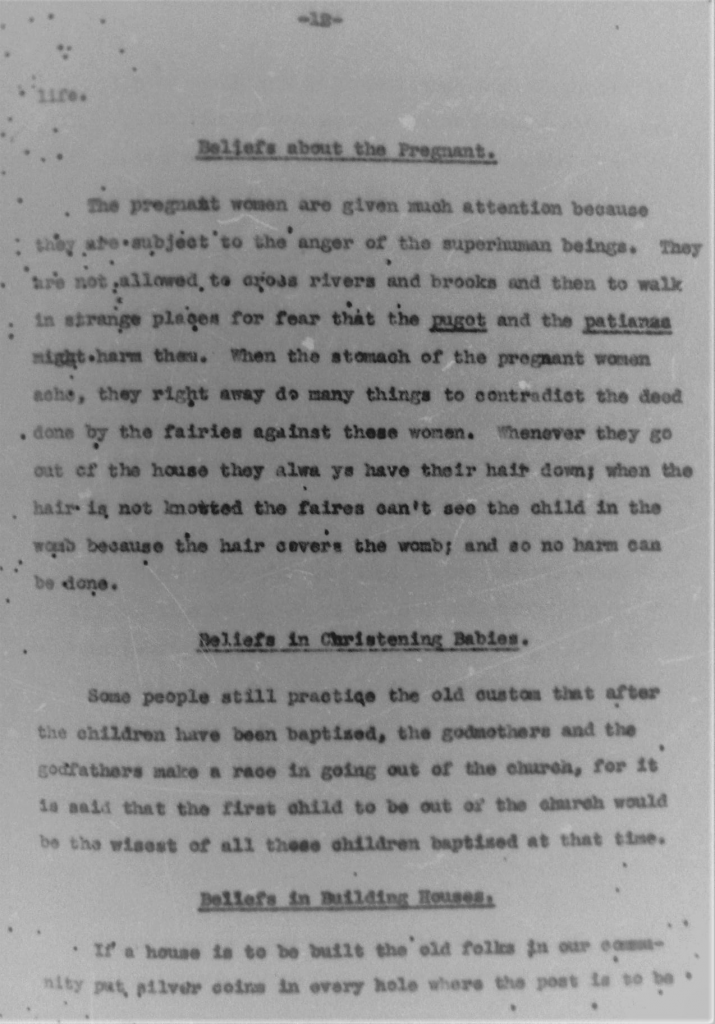
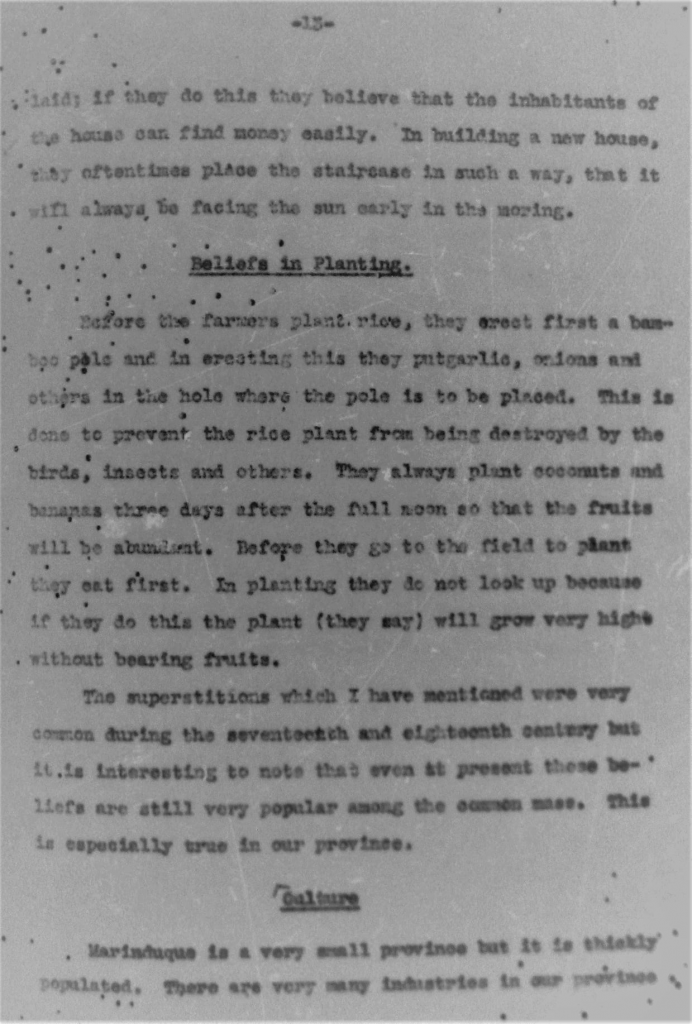
Some of the topics covered in her paper are: Asuang, Beliefs about the Pregnant, Beliefs in Building Houses, Beliefs in Christening Babies, Beliefs in Planting, Capre, Culture, Customs and Superstitions about Marriage, Customs and superstitions practiced about the dead, Encantades, Fairies, Patianac, Tigbalang
She culminated her paper by saying, ” Our province is rapidly progressing not only in agriculture and commerce but also in education; and the time is fast approaching when the masses will all be educated and these superstitions which I mentioned will soon be effaced.
Was she correct or do will still have these in our memories today?